If you’re gearing up for a tile project—whether it’s a bathroom remodel, kitchen backsplash, or outdoor patio—you’ve probably heard waterproof backer boards thrown around, and for good reason. Unlike drywall, which gets mushy and moldy when exposed to moisture, these boards are the unsung heroes that keep tiling jobs solid, long-lasting, and (let’s be real) not a total mess down the line. But here’s the thing: I’ve talked to so many DIYers and even some contractors who order the wrong size and end up scrambling mid-project. That’s why I’m breaking down exactly what the standard dimensions of a waterproof backer board are, straight from a supplier who’s been hauling, testing, and shipping these bad boys for years. No overly technical jargon, no confusing industry fluff—just the facts you need to avoid wasted time, materials, and cash. Standard Waterproof Backer Board

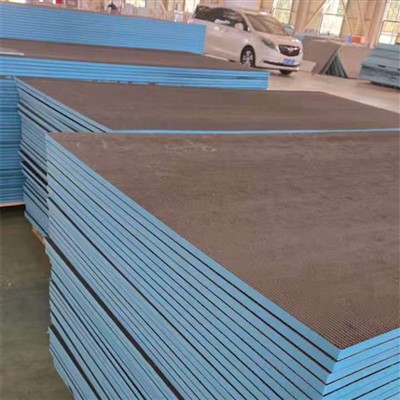
First, let’s clear up a quick myth: not all waterproof backer boards are the same, but “standard dimensions” isn’t some arbitrary number we make up on the factory floor. It’s rooted in how tilers work. Most tile installations use 12×12, 18×18, or 24×24 tiles, and they want to minimize the number of cuts they make. That means the backer boards themselves are sized to fit neatly into those layouts without leaving awkward, uneven gaps. The most common standard sheet size for waterproof backer boards is 3 feet by 5 feet (36 inches by 60 inches). Yeah, it’s the same size as a full sheet of standard plywood, which is no accident—contractors already know how to handle and cut plywood that size, so swapping in backer boards means they don’t have to adjust their whole setup on day one. It fits perfectly in standard pickup truck beds too, which is a win for DIYers who aren’t renting a fancy lumberyard trailer.
But wait—there are other sizes that count as “standard,” right? Because not every project is a master bathroom with 8-foot walls. For smaller spaces like shower niches, backsplashes, or patch jobs, you don’t want to haul a full 3×5 sheet. So the next most common standard size is 3 feet by 3 feet (36 inches by 36 inches)—a square sheet that’s easy to cut into smaller pieces or fit into tight corners. We also stock 4 feet by 4 feet (48 inches by 48 inches) sheets for larger patio or commercial wall projects, but that’s more of a specialized standard, not the everyday go-to. I’ve had customers come in asking for “standard size” and sometimes they’re actually looking for the 3×5, so it’s always good to clarify that.
Now, what about thickness? That’s a part of the dimensions people overlook all the time, and it can make or break a project. The standard thickness for indoor tile installations (like bathroom walls or kitchen backsplashes) is 1/4 inch. It’s thin enough that when you lay tile over it, the total surface stays level with adjacent drywall, so you don’t end up with a lip that catches dirt or makes trim work weird. For shower floors, tub surrounds, or outdoor areas where there’s more moisture and foot traffic, the standard thickness jumps to 1/2 inch. Thicker boards can handle the weight of heavy tile (like stone or porcelain) without warping, and they’re way more durable against the occasional water splash that seeps through grout. I’ve seen way too many people skimp on thickness here—using 1/4 inch for a shower floor only to have it bow after a few months because the tile’s too heavy. Don’t do that.
Here’s a pro tip from someone who’s shipped thousands of these boards: always double-check your dimensions before ordering, especially if you’re working with a custom layout. I had a regular contractor last month who was tiling a commercial bathroom with a non-standard wall width, and he almost ordered 3×5 sheets that would’ve left a 6-inch gap at the top. We swapped him for two 3×3 sheets and a half sheet, and he saved himself an hour of cutting on site. That’s the kind of mistake you don’t want to make—especially when backer boards are a non-refundable material once they’re cut (at least, that’s our policy here, since we can’t resell a sheet with a half-inch cut out).
Another thing to note: some people mix up waterproof backer boards with regular cement backer boards, and that’s where size confusion hits. Standard cement backer boards are often the same 3×5 size, but they’re not waterproof. Our waterproof ones have a sealed, moisture-resistant core—usually a polymer or fiberglass coating that keeps water from seeping into the board itself—so they’re designed for wet areas. We’ve tested our standard waterproof sheets in a 48-hour submersion test, and they didn’t warp or absorb a drop, which is why they’re our top seller for bathroom projects.
Wait, what about edge dimensions? No, not the length and width—wait, no, that’s the whole thing. No, actually, the edges of standard backer boards are straight, 90-degree corners, which is another standard feature. That way, when you butt two sheets together, the seam is tight, and you can tape and mud it easily to create a seamless surface for tile. If a sheet has a rounded edge (common in cheaper, non-standard boards), that seam is way harder to fix, and grout can crack down the line. So even if you’re ordering a custom size, look for straight edges—they’re part of what makes a backer board reliable.
I get it, as a supplier, we want customers to get exactly what they need, so we usually remind people to factor in a tiny extra when ordering. Most projects need a 10% overage on materials, right? So if you measure a shower wall that’s 8 feet tall and 5 feet wide, you’d calculate 8×5 = 40 square feet, and add 4 square feet (10%) to make room for cuts, mistakes, and a little extra for the floor base. Using the standard 3×5 sheet, each one is 15 square feet, so you’d need three sheets for that 44 square feet total. No one wants to run back to the lumberyard halfway through tiling because they miscalculated, and since we’re local, we can get you a last-minute order in an hour, but it’s way easier to get it right the first time.
Let’s talk about exceptions, because nothing in tiling is 100% set in stone. If you’re doing a small DIY project, like a 2×3 foot kitchen backsplash, you can totally cut a standard 3×5 sheet down to size. That’s actually what most DIYers do—they don’t need a separate small sheet, so they save money by buying a full standard size and trimming it. But if you’re a contractor doing multiple jobs, buying pre-cut small sheets can save you a ton of time on site. That’s why we stock both full standard 3×5 sheets and smaller 3×3 sheets for quick projects. We also ship to job sites all over, so no matter where you’re located, you can get standard size boards in 1/4 inch or 1/2 inch thickness, no special order needed.
A common question I get: why not just use drywall in wet areas? It’s cheaper, right? But drywall doesn’t hold up. I had a customer last year who tried to use drywall for his shower walls because he thought backer boards were overkill. Within six months, the drywall was moldy, sagging, and he had to rip out all the tile and start over. The standard waterproof backer board is designed to handle that constant moisture, so it’s a small extra cost that saves you thousands in repairs later. And the dimensions work out to almost the same price per square foot as premium drywall, so it’s not as pricey as people think.
Another thing to consider: weight. Standard 3×5 waterproof backer boards weigh around 50 pounds (for 1/2 inch thickness) and 25 pounds (for 1/4 inch). That’s a key dimension to think about if you’re carrying sheets up stairs, or if you’re installing them on upper-floor walls. The 1/4 inch is light enough that one person can handle it, but the 1/2 inch is sturdier for floors. We always label the weight on each sheet, so you know exactly what you’re lifting—no surprise when a 50-pound board hits your foot.
Now, let’s cut to the chase: if you’re planning a project and need standard waterproof backer boards, we’ve got you covered. We stock all the standard sizes—3×5, 3×3, and even 4×4 for larger jobs—in both 1/4 inch and 1/2 inch thickness, with same-day local pickup and fast shipping. Whether you’re a DIYer tackling your first bathroom remodel or a contractor working on a commercial build, we can get you the right size, at a fair price, no weird hoops to jump through.
Don’t waste time guessing sizes or ordering the wrong product only to make costly mistakes. Reach out to us directly to talk through your project—we can help you calculate exactly how many boards you need, confirm the right thickness, and answer any other questions you have. No automated chatbots, no confusing menus—just a real person who’s worked with backer boards for years, ready to help you get the job done right the first time.
Waterproof Backer Board References
- National Tile Contractors Association. (2021). "Best Practices for Waterproof Backer Board Installation." NTCA Technical Bulletin.
- Portland Cement Association. (2020). "Specification Guide for Backer Board Sizing and Thickness for Tile Applications." PCA Construction Notes.
- Tile Council of North America. (2019). "Standard Dimensions and Material Requirements for Wet Area Backer Boards." TCNA Handbook for Tile, Stone, and Panel Installation.
- International Code Council. (2022). "Residential Building Code Requirements for Waterproof Backer Board Sizes and Thickness." IRC Appendix E.
Address: Zhongze Village, Baohai Town, Tiantai County, Taizhou City, Zhejiang Province
E-mail: 906915688@qq.com
WebSite: https://www.yhhold.com/
