Hey there! I’m a supplier of insulating paper, and today I wanna chat about the acoustic insulating properties of this amazing stuff. You might be wondering, "What’s the big deal about acoustic insulation in insulating paper?" Well, let me break it down for you. Insulating Paper

First off, let’s understand what acoustic insulation is all about. Acoustic insulation is the ability to reduce the transmission of sound from one place to another. It’s like building a little sound barrier. When it comes to insulating paper, this property can be a game – changer in a lot of different applications.
One of the key factors that determine the acoustic insulating properties of insulating paper is its density. Generally speaking, denser insulating paper tends to do a better job at blocking sound. The reason behind this is that sound waves are mechanical waves, and when they hit a dense material, it’s harder for them to pass through. The molecules in a dense insulating paper are packed closer together, so they can absorb and dissipate the energy of the sound waves more effectively.
Another important aspect is the thickness of the insulating paper. Thicker paper usually provides better acoustic insulation. Think of it as an extra layer of protection against sound. When sound waves encounter a thick sheet of insulating paper, they have to travel through more material. This extra distance gives the paper more opportunity to absorb and weaken the sound waves before they can reach the other side.
The composition of the insulating paper also plays a major role. Some insulating papers are made from natural fibers, like cellulose. These natural – fiber papers can have good acoustic properties because the fibers can trap air pockets. Air is a poor conductor of sound, so these air pockets help to slow down and absorb the sound waves. On the other hand, synthetic – based insulating papers can also be engineered to have excellent acoustic insulation. Manufacturers can control the structure and properties of synthetic materials more precisely, which allows them to optimize the paper for sound reduction.
Now, let’s talk about some real – world applications where the acoustic insulating properties of insulating paper come in handy. In the construction industry, insulating paper can be used in walls, floors, and ceilings. For example, in a multi – story building, installing insulating paper between the wall studs can significantly reduce the amount of noise that travels from one apartment to another. This is especially important in urban areas where noise pollution can be a real problem.
In the automotive industry, insulating paper can be used inside the car cabin to reduce engine noise and road noise. By lining the interior panels with insulating paper, car manufacturers can create a quieter and more comfortable driving experience for passengers. It’s like giving your car a pair of noise – canceling headphones!
In the electronics industry, acoustic insulation is also crucial. Electronic devices, especially those with motors or fans, can produce a lot of noise. Insulating paper can be used to wrap around these components to prevent the noise from escaping into the surrounding environment. This is not only important for the comfort of the users but also for meeting noise – emission standards.
But how do we measure the acoustic insulating properties of insulating paper? One common way is through the Sound Transmission Class (STC) rating. The STC rating is a single – number index that represents how well a material can block sound. The higher the STC rating, the better the acoustic insulation. For insulating paper, a higher STC rating means that it can more effectively reduce the amount of sound that passes through it.
Another measurement is the Noise Reduction Coefficient (NRC). The NRC measures the average amount of sound energy that a material absorbs at different frequencies. A material with a high NRC is good at absorbing sound, which helps to reduce echoes and reverberation in a room. Insulating paper with a high NRC can make a space sound quieter and more pleasant.
As a supplier of insulating paper, I’ve seen firsthand how important these acoustic properties are to our customers. We work hard to provide insulating paper that meets or exceeds the industry standards for acoustic insulation. We test our products rigorously to ensure that they have the right density, thickness, and composition to provide excellent sound – blocking and sound – absorbing capabilities.
We also offer a variety of options to our customers. Whether they need a thin, lightweight insulating paper for a small electronic device or a thick, dense paper for a large – scale construction project, we’ve got them covered. Our team of experts can help customers choose the right type of insulating paper based on their specific acoustic requirements.
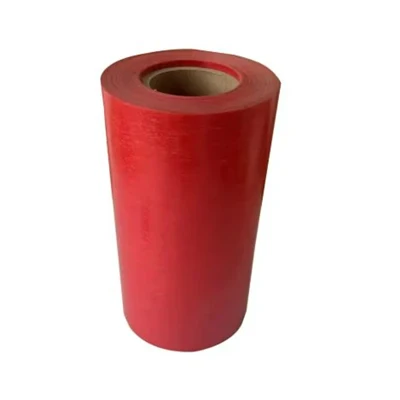
If you’re in the market for insulating paper with great acoustic properties, don’t hesitate to get in touch with us. We’re here to answer any questions you might have and to provide you with the best – quality products at competitive prices. Whether you’re an architect planning a new building, an automotive engineer designing a quieter car, or an electronics manufacturer looking to reduce noise in your products, our insulating paper could be the solution you’ve been searching for. So, reach out and let’s start a conversation about how we can meet your acoustic insulation needs.
Carbon Fiber Flexibility References:
- "Acoustics for Engineers" by David Crolla
- "Building Acoustics" by Trevor Cox and Peter D’Antonio
- Industry reports on acoustic insulation materials for various sectors
Wenzhou Gisen Insulation Material Co., Ltd.
As one of the most professional insulating paper manufacturers and suppliers in China, we’re featured by quality products and good service. Please rest assured to wholesale customized insulating paper from our factory. Contact us for quotation and free sample.
Address: Diyan Industrial Zone, Wengyang Subdistrict, Yueqing City, Zhejiang Province
E-mail: gisen888@126.com
WebSite: https://www.giseninsulation.com/
