As a supplier of isolation transformers, I’ve witnessed firsthand the critical role that frequency plays in the operation of these essential electrical devices. Isolation transformers are designed to provide electrical isolation between the input and output circuits, protecting equipment and users from electrical hazards. The frequency of the electrical supply can significantly impact their performance, efficiency, and overall reliability. In this blog post, I’ll delve into how frequency affects the operation of an isolation transformer and why it’s crucial for businesses and industries to understand these implications. Isolation Transformer
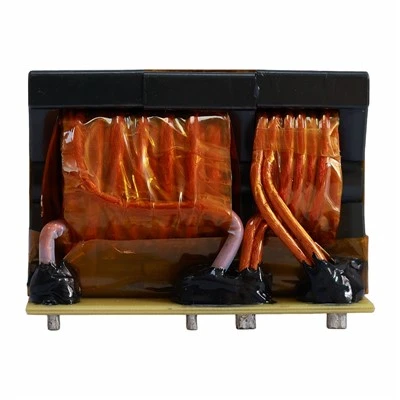
Understanding the Basics of Isolation Transformers
Before we explore the impact of frequency, let’s briefly review how isolation transformers work. Isolation transformers consist of two separate windings: a primary winding and a secondary winding. These windings are magnetically coupled but electrically isolated from each other. When an alternating current (AC) is applied to the primary winding, it creates a changing magnetic field, which induces a voltage in the secondary winding. This process transfers electrical energy from the primary circuit to the secondary circuit without providing a direct electrical connection between them.
One of the primary functions of an isolation transformer is to provide electrical isolation, which helps prevent electrical shock and protect sensitive equipment from electrical interference. Isolation transformers are commonly used in a variety of applications, including power distribution, industrial machinery, medical equipment, and telecommunications systems.
The Relationship Between Frequency and Isolation Transformer Operation
The frequency of the electrical supply is a crucial parameter that affects the operation of an isolation transformer. In most parts of the world, the standard frequency for AC power is either 50 Hz or 60 Hz. However, some specialized applications may require different frequencies, such as 400 Hz for aircraft and military equipment or frequencies in the range of a few hertz to several kilohertz for certain industrial processes.
The frequency of the electrical supply affects several key aspects of isolation transformer operation, including:
Inductive Reactance
Inductive reactance (Xl) is a measure of the opposition to the flow of alternating current in an inductor, such as the windings of an isolation transformer. It is directly proportional to the frequency of the electrical supply and the inductance of the winding, according to the formula:
Xl = 2πfL
Where:
- Xl is the inductive reactance in ohms (Ω).
- f is the frequency of the electrical supply in hertz (Hz).
- L is the inductance of the winding in henries (H).
As the frequency increases, the inductive reactance of the transformer windings also increases. This means that the transformer will present a higher impedance to the flow of alternating current at higher frequencies, which can affect the transformer’s performance and efficiency.
Core Losses
Core losses, also known as iron losses, are the energy losses that occur in the magnetic core of the transformer due to hysteresis and eddy currents. Hysteresis losses are caused by the repeated magnetization and demagnetization of the core material as the magnetic field changes direction with the alternating current. Eddy current losses are caused by the circulation of electrical currents in the core material due to the changing magnetic field.
The frequency of the electrical supply has a significant impact on core losses. Higher frequencies increase the rate of magnetization and demagnetization of the core material, which can increase hysteresis losses. Additionally, higher frequencies can cause larger eddy currents to flow in the core material, which can increase eddy current losses. As a result, isolation transformers operating at higher frequencies may experience higher core losses and lower efficiency compared to transformers operating at lower frequencies.
Voltage Regulation
Voltage regulation is a measure of how well a transformer maintains a constant output voltage as the load on the transformer changes. It is expressed as a percentage and is calculated using the following formula:
Voltage Regulation = [(Vno – load – Vfull – load) / Vfull – load] x 100%
Where:
- Vno – load is the output voltage of the transformer when there is no load connected.
- Vfull – load is the output voltage of the transformer when it is operating at full load.
The frequency of the electrical supply can affect the voltage regulation of an isolation transformer. Higher frequencies can cause the impedance of the transformer windings to increase, which can result in a larger voltage drop across the windings as the load on the transformer increases. This can lead to poorer voltage regulation and a more significant variation in the output voltage.
Cooling Requirements
The frequency of the electrical supply can also affect the cooling requirements of an isolation transformer. Higher frequencies can cause the transformer to generate more heat due to increased core losses and copper losses in the windings. As a result, isolation transformers operating at higher frequencies may require more efficient cooling systems to maintain their operating temperature within acceptable limits.
Design Considerations for Isolation Transformers Operating at Different Frequencies
When designing an isolation transformer for a specific frequency, several factors need to be considered to ensure optimal performance and reliability. These factors include:
Core Material
The choice of core material is crucial when designing an isolation transformer for a specific frequency. Different core materials have different magnetic properties, such as permeability and core loss characteristics, which can affect the transformer’s performance at different frequencies. For example, silicon steel is commonly used for transformers operating at 50 Hz or 60 Hz due to its low core losses and high permeability. However, for transformers operating at higher frequencies, such as 400 Hz or in the kilohertz range, ferrite cores may be more suitable due to their lower core losses at high frequencies.
Winding Design
The winding design of an isolation transformer also needs to be optimized for the specific frequency of operation. The number of turns in the primary and secondary windings, the wire gauge, and the winding configuration can all affect the transformer’s performance at different frequencies. For example, transformers operating at higher frequencies may require fewer turns and thinner wire to reduce the inductive reactance and copper losses.
Cooling System
As mentioned earlier, the cooling requirements of an isolation transformer can vary depending on the frequency of operation. Transformers operating at higher frequencies may require more efficient cooling systems, such as forced – air cooling or liquid cooling, to dissipate the additional heat generated. The cooling system design should take into account the ambient temperature, the power rating of the transformer, and the expected operating conditions.
Applications and Considerations Based on Frequency
Different applications have different frequency requirements, and it’s essential to select the right isolation transformer for the job. Here are some common applications and their frequency considerations:
50 Hz and 60 Hz Applications
The majority of power distribution and industrial applications around the world operate at either 50 Hz or 60 Hz. Isolation transformers designed for these frequencies are readily available and are optimized for low – frequency operation. They typically use silicon steel cores and are designed to provide efficient power transfer and good voltage regulation at these frequencies.
400 Hz Applications
400 Hz power systems are commonly used in aircraft, military equipment, and some industrial applications. The higher frequency allows for smaller and lighter transformers and electrical equipment, which is particularly important in applications where weight and size are critical factors. However, isolation transformers designed for 400 Hz operation require special consideration due to the increased core losses and inductive reactance at this frequency.
High – Frequency Applications
In some industrial processes, such as induction heating and high – frequency welding, isolation transformers may need to operate at frequencies in the kilohertz range. These high – frequency transformers require specialized designs and core materials to minimize core losses and ensure efficient operation.
Conclusion
In conclusion, the frequency of the electrical supply has a significant impact on the operation of an isolation transformer. It affects parameters such as inductive reactance, core losses, voltage regulation, and cooling requirements. As a supplier of isolation transformers, it’s our responsibility to understand these relationships and design transformers that are optimized for the specific frequency of operation.
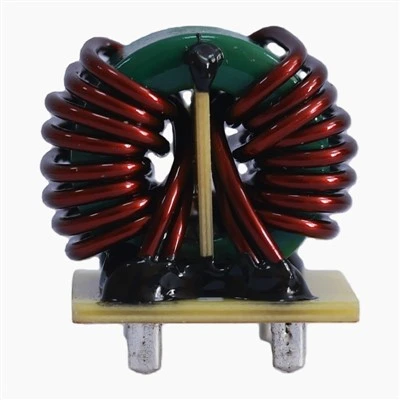
High Frequency Transformer If you’re in need of an isolation transformer for your specific application, whether it’s a standard 50 Hz or 60 Hz transformer, a specialized 400 Hz unit, or a high – frequency transformer, we’re here to help. Our team of experts can work with you to understand your requirements and provide a customized solution that meets your needs. Contact us today to start the conversation and explore how our isolation transformers can enhance the performance and reliability of your electrical systems.
References
- "Electric Machinery" by Stephen J. Chapman
- "Power System Analysis and Design" by J. Duncan Glover, Mulukutla S. Sarma, and Thomas J. Overbye
- "Transformer Engineering: Design, Technology, and Application" by John D. McDonald and Harold K. H. Cheng
Dongguan Hensiron Electric Co., Ltd.
As one of the most professional isolation transformer suppliers in China, we have world-leading production equipment and strong manufacturing capabilities. Please feel free to buy high quality isolation transformer made in China here from our factory. Customized orders are welcome.
Address: Building 4, Xinxing Industrial Zone, Wangao Road, Wanjiang Street, Dongguan City, China
E-mail: jessica@dghensiron.com
WebSite: https://www.dghensiron.com/
