If you’re reading this, chances are you work in gold mining, jewelry manufacturing, or some niche corner of industrial metals processing— and you’ve probably interacted with a Gold Dressing Agent (GDA) at some point. As someone who’s been supplying these agents for 8 years now, I’ve seen way too many safety slipups that could’ve been avoided with a little common sense and solid, up-to-date regulations. Let’s cut through the jargon and break down what actually matters when handling GDA, no corporate fluff required. Gold Dressing Agent
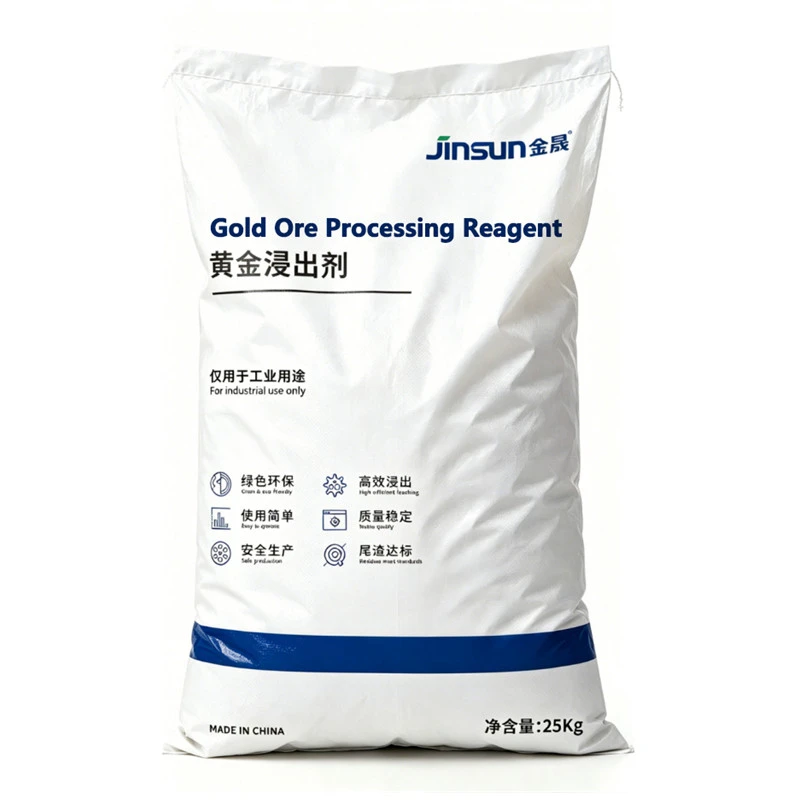
First off, let’s get one thing straight: GDAs aren’t your regular cleaning supplies or garden chemicals. Most of the ones we supply are either cyanide-based (the workhorse for large-scale gold extraction) or non-cyanide alternatives like thiosulfate, which are gaining traction for smaller operations. Both have specific safety rules that aren’t just “suggestions”—they’re legal requirements in almost every major mining country, from Canada’s Ontario Mining Act to Ghana’s Minerals and Mining Act. I’ve had clients skip training and get fined $10k+ in a single incident, so trust me, this isn’t stuff to ignore.
Let’s start with the most basic: personal protective equipment (PPE). I know, I know—everyone hates goggles, nitrile gloves, and respirators. But here’s the thing: a 2022 OSHA report I keep pinned to my office wall says 60% of GDA-related injuries come from improper PPE. If you’re handling liquid GDA, even a tiny splash on your skin can cause burns, or if it’s cyanide, it can enter your bloodstream fast. So let’s be specific: no latex gloves—they’re porous, so GDA can seep right through. Nitrile is non-negotiable, and you need a pair that’s at least 10 mil thick; thin ones just don’t cut it. For eyes, not those flimsy safety glasses that fog up after five minutes—impact-resistant goggles with side shields, because if a container shifts and leaks, you don’t want it going in your eye. And if you’re handling powdered GDA or working in a closed processing tank? A N95 respirator minimum, but a half-face organic vapor cartridge respirator is way better. I once sent a replacement set of respirators to a mine in Peru that went through a batch of cheap filters in two weeks—turns out the GDA dust was corrosive, so they had to upgrade to heavy-duty cartridges. Lesson learned.
Next up: storage and transportation. A lot of small operators store GDAs in rusty barrels or next to diesel fuel, and that’s a ticking time bomb. Cyanide-based GDDA reacts with acids (like battery acid, even leftover vinegar from a lunch break) to release cyanogen chloride gas, which is odorless and deadly. We always tell clients to store GDAs in a cool, dry, locked cabinet—no food, no drinks, no chemicals that aren’t GDA. Temperature matters too: if you leave a GDA barrel in direct sunlight, the liquid can expand, break the seal, and leak. We’ve had a client in Arizona lose 50 gallons of GDA that way, and they had to pay to clean up the entire soil around the spill—cost them more than a month of supplies. For transportation, if you’re moving GDA on a worksite, use a forklift with a stabilizer, never drag barrels across concrete; that can puncture the lining and cause leaks. Also, label every container clearly—“POISON” or “CORROSIVE” in big, bold letters, not just the tiny print on the bottle. Last year, a guy in Australia accidentally grabbed a GDA barrel thinking it was lubricant for his equipment—thank God he didn’t open it near any workers.
Now, handling during the actual processing. Here’s where most mistakes happen: when adding GDA to the leach tank, or dealing with leftover slurry. First, never add GDA directly to a tank that’s been closed for processing—if the tank is pressurized, fumes can back up and hit you in the face. We recommend using a transfer pump with a dip tube that’s placed below the slurry level, not just on top. And never mix GDAs with other chemicals unless you know what you’re doing. I once had a junior miner mix cyanide GDA with hydrochloric acid to “speed up extraction” and almost killed himself; he had to be airlifted to the hospital because of the gas. OSHA and the International Council on Mining and Metals (ICMM) have clear rules here: any chemical mixing needs a MSDS (Material Safety Data Sheet) check, and you should never do it alone. Always have a buddy when handling GDA in processing areas—someone who knows where the spill kit is, and who can call emergency services if something goes wrong.
Spill response is another big one I don’t see people get right. A small spill (less than a gallon) isn’t a panic event, but it’s not something you can mop up with a regular rag either. For liquid GDA, cover the spill with absorbent pads that are made for hazardous liquids—kitty litter or paper towels just won’t work. If it’s cyanide-based, you need to neutralize the spill with sodium hypochlorite (bleach) first, before sweeping it up. And here’s a key point: never put the spilled GDA absorbent in regular trash. It’s hazardous waste, so you need to bag it, label it, and send it to a licensed disposal company. For larger spills, like a whole barrel leaking, evacuate the area immediately, don’t try to clean it yourself—call your local industrial emergency response team. I’ve seen a mine in South Africa try to clean a 50-gallon cyanide spill on their own, and they ended up with three workers hospitalized and the river nearby contaminated for three months. That’s the kind of mistake that shuts down operations for years.
Wait, let’s talk about non-cyanide GDAs too, because they’re way more common now. Even though they’re less toxic, they still have safety rules. Thiosulfate-based GDAs can irritate your lungs if you breathe too much powder, and they can cause skin rashes with prolonged contact. Non-cyanide GDAs also react with some metals, so you can’t store them in steel containers—use plastic or HDPE barrels. I’ve had a client who stored thiosulfate in an old steel drum; the barrel corroded from the inside, and they lost 20 gallons of GDA before anyone noticed. So don’t skip reading the MSDS for non-cyanide agents either—they’re not just “safe alternatives.”
Training is non-negotiable, too. You can’t just hand a guy a GDA container and say “be careful.” Almost every major mining regulation (including EPA rules in the US) requires that anyone handling GDA has had hands-on safety training within the last 12 months. We do free safety webinars for all our clients, and I can’t tell you how many times a junior miner who took one of our courses told me it saved them from a mistake. Last quarter, a client in British Columbia told me their new hire almost spilled a GDA barrel, but because he’d done our training, he knew to stabilize it and call for help instead of panicking. That’s exactly why we put those webinars together—safety isn’t a one-time thing, it’s ongoing.
Let’s wrap this up with a quick reality check: I’m in the business of supplying GDAs, not scaring people away. We make products that help mining operations be profitable, and that’s a good thing. But safety is the foundation of that profit. If you cut corners, you end up with fines, injuries, or worse—lost lives. So if you’re using a GDA, make sure you’re following the local regulations: check your country’s mining safety laws, update your PPE, train your team, and have a clear plan for spills.

If you’re looking for a reliable supplier who doesn’t cut corners on safety (we test every batch of GDA we send out for purity and safety, and include full MSDS with every order), hit us up to talk. We work with mines of all sizes, from small artisanal operations to large corporate mining companies, and we can help you make sure your handling process is compliant and safe. No fine print, no hidden costs—just straight talk, and products that get the job done.
Gold Dressing Agent References:
- Occupational Safety and Health Administration (OSHA). (2022). Hazard Communication Standard: Safety Data Sheets. U.S. Department of Labor.
- International Council on Mining and Metals (ICMM). (2021). Chemical Safety in Mining Operations. ICMM Technical Guidance.
- Government of Ghana Ministry of Lands and Natural Resources. (2020). Minerals and Mining Act, 2006 (Act 703) – Safety Regulations for Chemical Handling.
- U.S. Environmental Protection Agency (EPA). (2022). Cyanide Management Standards for Metal Mining Operations.
Jinsun Chemical (Guangdong) Co., Ltd.
We are one of the most professional gold dressing agent manufacturers and suppliers in China, featured by quality products and good price. Please rest assured to buy customized gold dressing agent made in China here from our factory. Also, pricelist is available.
Address: Room 101&102, Building B1, No.136 Kaiyuan Avenue, Huangpu District, Guangzhou City
E-mail: Wangqun@jinsheng-chemical.com
WebSite: https://www.jinsunchem.com/
