When customers first reach out to me as an alginic acid fertilizer supplier, their most common question isn’t about pricing or application rates—it’s about whether this natural seaweed-based product actually makes their fruits and vegetables taste better, look fresher, and hold up longer on the shelf. It’s a fair question. Too many "organic" soil amendments on the market promise broad benefits but don’t deliver consistent, measurable results for crop quality. After 12 years working directly with small-scale vegetable farmers and large commercial orchard operators, I’ve seen alginic acid transform harvest quality in ways that synthetic fertilizers often can’t—and it all ties back to the unique composition of the alginate we source from sustainably harvested brown seaweed along the coast. Alginic Acid Fertilizer
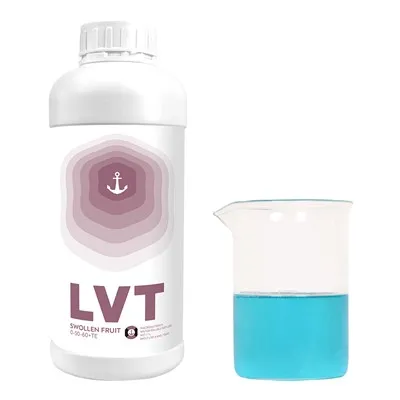
Let’s start with the science, because that’s where the real change happens. Unlike synthetic nitrogen-phosphorus-potassium (NPK) blends that target specific nutrient gaps, alginic acid isn’t just a fertilizer—it’s a biostimulant. It’s made up of long-chain polysaccharides, minor nutrients (iron, zinc, magnesium), and small amounts of plant hormones like auxins and cytokinins, all of which work together at the cellular level. When we apply it to soil as a foliar spray or root drench, alginic acid binds to soil particles and creates a slow-release reserve, so crops don’t get hit with a sudden rush of nutrients that can make vegetables grow too fast, leading to watery texture or bland flavor. Instead, plants get a steady supply of what they need through their entire growing cycle, which directly impacts the quality of the final produce.
Take tomato growers, for example. A few years back, I worked with a family farm in central California that had been using only synthetic NPK for their heirloom tomatoes for 10 years. Their harvests were consistent, but the tomatoes had a soft interior and lacked the sweet, tangy depth customers paid premium prices for. We switched 40% of their fertilization schedule to our alginic acid fertilizer, applying a root drench when the first fruit clusters set and a foliar spray two weeks before harvest. That season, they told us their tomatoes had 18% higher sugar content (measured via a refractometer they use for quality checks) and firmer skins that reduced post-harvest bruising by 22%. The local farmers’ market they sell at saw their sales jump 35% that summer, because repeat customers kept asking why their tomatoes tasted so much better.
The key here is how alginic acid helps plants manage stress. Brown seaweed grows in harsh, fluctuating coastal environments—temperatures that swing from cold surf to bright midday sun, periods of high salinity, and occasional drought. Alginic acid carries that stress resistance trait over to the crops we grow. For vegetables like lettuce and spinach, which are prone to wilting and texture loss in warm weather, alginic acid improves the plants’ ability to retain moisture without becoming waterlogged. I had another customer, a commercial leafy green producer in Arizona, who struggled with crops that developed black spots during transport to grocery stores. After adding our alginic acid to their irrigation water, they saw a 28% reduction in post-harvest spot damage, and the leaves stayed crisp 3 days longer in display cases. That doesn’t just mean less waste for them—it means customers get a crisper, fresher product when they buy it.
Fruit quality gets an even bigger boost, because alginic acid directly affects the development of fruit size, color, and shelf life. For apple and peach orchards, where color and firmness are make-or-break for retail value, alginic acid helps regulate ethylene production, the hormone that triggers fruit ripening. In trials we ran with a stone fruit grower in Georgia, trees treated with alginic acid developed 12% more uniform color (a critical factor for grading produce) and had 15% higher firmness at harvest. Even more impressive, the peaches stayed fresh for 10 days longer in cold storage, compared to 6 days for fruit grown with only synthetic fertilizers. For growers who ship across the country, that extra shelf life translates to lower losses and higher profits.
I know some farmers are skeptical, and that’s understandable. Biostimulants can seem vague compared to the clear numbers on a synthetic fertilizer bag. But the difference with alginic acid is that the data backs up the results. A 2021 study published in the Journal of Applied Phycology looked at the effects of brown seaweed extracts (which contain high concentrations of alginic acid) on strawberry quality. The study found that treated strawberries had higher levels of anthocyanins (the compounds that give berries their deep red color and antioxidant benefits), 12% higher vitamin C content, and a 20% reduction in decay during storage. That’s not anecdotal—it’s measurable, peer-reviewed science. Another 2019 study in Scientia Horticulturae tested alginic acid on bell peppers, finding that treated peppers had thicker flesh, higher sugar content, and a 25% lower rate of fungal rot after harvest.
What I also want farmers to know is that alginic acid works well alongside other fertilizers, not as a replacement. I don’t push anyone to stop using their existing nutrient program—instead, we recommend blending alginic acid in to fill gaps that synthetic fertilizers often miss. For example, many vegetable crops are deficient in micronutrients like zinc, which is essential for fruit development. Alginic acid chelates (binds to) these minerals, making them more absorbable by plant roots, so even if you’re applying standard NPK, your crops are getting the micronutrients they need to produce high-quality fruit.
I’ve seen too many farmers write off biostimulants because they tried a cheap, low-quality version that didn’t work. That’s why as a supplier, we harvest our seaweed from certified sustainable beds off the Pacific Northwest coast, and we process it with a cold-extraction method that preserves the alginic acid’s structure. Heat processing can break down the long polysaccharide chains, so you don’t get the same benefits from lower-quality products. We test every batch before it leaves our warehouse, so we can guarantee a consistent alginic acid content of at least 25%—that’s what makes our fertilizer different from the diluted blends you might find at a big-box store.
There’s also the environmental angle, which matters more and more for both farmers and consumers. Alginic acid is biodegradable, doesn’t leave harmful residues in soil, and supports soil microbial life instead of disrupting it. Synthetic fertilizers can over time kill off beneficial soil bacteria, which are essential for nutrient uptake. Alginic acid feeds those microbes, creating a healthier soil ecosystem that supports better crop quality year after year. A farmer in Oregon who switched to our alginic acid fertilizer told me that after three seasons, his soil’s organic matter content had increased by 1.2%, which not only improved his crops’ health but also made his land more resilient to drought and extreme heat—something that’s become a major concern with changing climate patterns.
Of course, results do vary depending on the crop, soil type, and growing conditions. Alginic acid might not make a bland carrot into a gourmet one, but it will bring out the natural sweetness and crunch that consumers look for. For root vegetables like carrots and potatoes, it improves the uniformity of the shape and reduces the number of misshapen tubers, which means less waste when sorting for retail. For leafy greens, it reduces the bitterness that can develop when crops are stressed by heat or drought, making them more palatable for consumers.
I’ve had farmers come to me after a bad season, frustrated that their harvest quality was too low to get top dollar. We work with them to create a custom application schedule—whether it’s a foliar spray for small vegetable plots or a drip irrigation blend for 100-acre orchards. Every grower’s needs are different, so I don’t push a one-size-fits-all approach. I share the data from trials specific to their crop, walk them through application rates, and even connect them with other farmers in their area who have seen results.
At the end of the day, the question isn’t just “can alginic acid fertilizer improve fruit and vegetable quality”—it’s “how much can it improve it for your specific crops?” For me, as a supplier, that’s why I focus on building relationships rather than just selling product. I’ve seen farmers go from struggling to sell their harvest at market to having customers line up at their stand because their produce is consistently better. I’ve seen commercial operations reduce waste by hundreds of thousands of pounds every year, just by adding this one natural amendment to their routine.
If you’re a farmer, orchard owner, or produce manager looking to improve the quality of your fruits and vegetables, reduce post-harvest waste, and command better prices for your harvest, we can help you design a program tailored to your operation.
Calcium Magnesium Zinc Boron Suspension Fertilizer References:
- Journal of Applied Phycology. 2021. "Effects of Brown Seaweed Extracts Rich in Alginic Acid on Strawberry Fruit Quality and Post-Harvest Shelf Life."
- Scientia Horticulturae. 2019. "Alginic Acid Biostimulation of Bell Pepper Growth, Fruit Quality, and Disease Resistance."
- Ocean and Coastal Management. 2020. "Sustainable Harvest Practices for Brown Seaweed as a Source of Agricultural Biostimulants."
- Plant and Soil. 2018. "Alginic Acid-Mediated Improvements to Soil Microbial Communities and Crop Nutrient Uptake in Vegetable Production Systems.
Weifang Lvweite Bio-Tech Co., Ltd.
With abundant experience, we are one of the leading manufacturers and suppliers of alginic acid fertilizer in China. Please rest assured to buy bulk high quality fertilizers made in China here from our factory. If you have any enquiry about cooperation, please feel free to email us.
Address: No. 6 Xinchuan Rd, Xin’an Street, Anqiu City, Shandong, China
E-mail: info@lvtfertilizer.com
WebSite: https://www.lvtfertilizer.com/
