Hey everyone, let’s cut to the chase – if you’re here, you’ve probably got one of two (totally valid) questions bouncing around your head right now. First: do propane detectors even need a self-test function? And second: wait, actually, are there propane detectors with a self-test function that actually works, not just some marketing fluff? Propane Detector
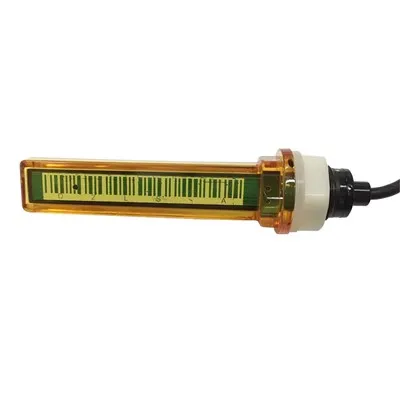
As a propane detector supplier, I hear this nonstop, from homeowners panicking about a leak in their garage to small business owners (restaurateurs, camper van builders, farm supply shop folks) who rely on these things to keep their whole operation from going sideways. Let’s break this down like we’re geeking out over a new gadget, not writing a white paper – no stuffy jargon, I promise.
First, let’s make sure we’re all on the same page about what a propane detector does. Propane is that super common, handy stuff – runs your grill, heats your camper, powers your commercial fryer, keeps your barn warm in the dead of winter. But it’s also odorless, right? Wait, no – wait, they add that rotten egg smell (mercaptan) to help you sniff it out. But here’s the problem: if a leak is slow, or you’re in a space where that smell doesn’t travel (like a closed basement, or under a camper’s floor), your nose is useless. That’s where the detector comes in – it’s your 24/7 guard that picks up propane concentrations before they get to the explosive threshold (which is, for the record, when propane makes up 2-10% of the air around it – that’s tight, so you need a detector that’s on point).
Now, back to that self-test question. If you’ve ever owned a smoke detector, you’ve probably pressed that little “test” button a hundred times. But have you ever wondered: is that test actually doing anything? Like, is it checking the sensor, the battery, the wiring, or just the alarm siren? Because that’s the big difference between a basic detector and one with a real self-test function – most cheap, no-name ones on Amazon have a button that just blares the alarm to make sure the speaker works. That’s not a test. That’s a volume check.
Real self-test functions? They’re automated, they run on a schedule (usually every week or every month, depending on the model), and they check three critical things all at once: the gas sensor itself, the power supply, and the circuit board that connects it all. Let me explain why each of those matters, because this is where the rubber meets the road when it comes to safety.
Take the sensor, for example. Propane detectors use either catalytic bead sensors or semiconductor sensors (for the nerds, yeah, that’s the two main types). Over time, the sensor gets gunked up with dust, grease, cooking fumes, whatever – especially if it’s in a restaurant kitchen or a camper that’s camping hard. Or it can just degrade, like how your phone battery doesn’t hold a charge forever. If the sensor dies or gets clogged, it won’t pick up a leak when there is one. A real self-test will pulse a tiny, safe amount of propane (or a test gas that’s calibrated to match propane) through the sensor on a regular schedule, then check if it triggers the alarm properly. If it doesn’t? It’ll send a notification – either a beep, a light, or an app alert if it’s a smart model – that says “hey, your detector is broken, replace this ASAP.”
Then there’s the power part. A dead battery on a detector is basically a paperweight. The last thing you want is for your detector to die in the middle of the night when you’re not around. A self-test checks the battery level constantly, but when it runs the full test, it also simulates a low-power scenario to make sure the detector doesn’t cut out when it matters. I’ve had customers tell me they bought a cheap detector a few years back, and it just stopped working one day – turns out the battery died, and they never noticed because there was no low-battery alert, let alone a self-test that flags that.
Wiring is another big one, especially for hardwired detectors (the ones that plug into your home’s electrical system, not run on batteries). If a wire gets loose, or a rodent chews through it, your detector won’t work. The self-test will send a tiny electrical signal through the circuit to make sure all the connections are solid, so you don’t get a silent failure.
Now, let’s get to the good stuff: yes, there are propane detectors with real self-test functions, and they’re not just for big industrial buildings anymore. A lot of people think self-test detectors are only for warehouses or commercial kitchens, but no – they’re available for every use case: home garages, RVs, tiny homes, even portable ones for job sites.
Wait, but hold on – not all self-test functions are created equal. I’ve seen some brands slap a “self-test” label on their product just to sell it, when all it does is press that siren button. So how do you tell the difference? Let me give you a few red flags and green flags, since I’ve been in this game long enough to spot the fluff.
Red flags for fake self-test:
- It only has a physical button to test it (no automated, scheduled testing)
- The product description says “self-test” but never mentions checking the sensor or calibration
- It’s super cheap (like under $20 for a hardwired model) – quality sensors and the tech to run automated tests aren’t that expensive to make, so if it’s too good to be true, it’s probably a fake.
Green flags for real self-test:
- It runs automated, scheduled tests (usually weekly or monthly) – no button-pressing required, though you can still press it if you want
- The product details specifically mention sensor calibration checks and power/circuit testing, not just alarm functionality
- It sends alerts when something’s wrong – not just when there’s a leak. If it’s working right, it’ll beep to tell you the sensor is clogged, the battery is dying, or there’s a wiring issue, not just when propane is present.
- It meets safety standards – like UL 2075, which is the standard for gas detectors in the US, or CE standards in Europe. Any legitimate supplier will post that info somewhere.
Now, let’s talk about why this matters so much, especially right now. I don’t know if you’ve seen the stats, but the National Fire Protection Association (NFPA) says that between 2017 and 2021, propane was involved in an average of 150 home fires a year in the US, causing 10 deaths and $47 million in property damage. Most of those fires happened because the detector failed to pick up a leak, usually because the detector was old, untested, or not maintained. A self-test function cuts that risk way down because it’s checking the detector’s own health all the time, not just when you remember to press that button.
I’ve had a customer reach out to me last month who had a leak in their RV. They had a basic detector, but it didn’t have a self-test, and they had no idea the sensor was clogged with dust from a cross-country trip. When the hose on their propane tank split, the detector never picked it up – they only smelled the leak when they opened the RV door after a hike. Scary stuff. Another customer is a restaurant owner in Texas – their fryer runs on propane, and the old detector they had was so old the sensor was basically dead. The self-test on the new detector they bought from us would have flagged that, but the old one just sat there silently until a gas tech came to service the kitchen and noticed.
Wait, also – smart self-test detectors. If you’re into connected home stuff, there are models that sync to your phone, so you get an alert on your phone and the detector itself if something is wrong. That’s game-changing for people who aren’t home all the time – like if you own a cabin, or you’re at work all day and something happens to the detector in your garage. I have a couple of these installed at my own place – I get a text if the sensor gets clogged, or the battery is dying, so I can fix it before it becomes a problem.
But let’s be real – self-test isn’t a set-it-and-forget-it thing. It’s a tool, not a magic fix. You still need to test your detector every once in a while, replace it every 5-7 years (most sensors have a lifespan), and install it in the right place – like 12 inches from the ceiling if you’re using propane, since propane is heavier than air, so it sinks. Wait, hold on, that’s a common mistake – a lot of people install propane detectors high up, but no, they should be low because propane sinks, same as natural gas rises, so that’s a big no-no. But even if you install it right, a self-test function keeps it working between your manual checks.
Now, I know what some of you are thinking: “Yeah, but these self-test detectors are more expensive, right?” Yeah, they are – usually $10-$20 more than a basic model. But when you compare that to the cost of a propane leak causing a fire, or even just the hassle of having to replace a detector when it fails and not knowing until it’s too late, that extra 20 bucks is nothing. I had a customer a couple of years back who spent $10,000 repairing his garage after a propane leak, and he told me he would have paid 10 times as much for a detector that worked properly. That’s the reality of this stuff – safety isn’t a place to cut corners.
So, to wrap this up (and I know you’re all here for the short version too, so I’ll keep it clear): yes, there are propane detectors with real self-test functions. They’re not just marketing hype, they’re a game-changer for anyone who relies on propane for their home, business, or recreation. They check their own sensors, power, and wiring on a schedule, alert you when they’re broken, and cut the risk of a silent failure that could turn into a disaster.
If you’re shopping for one, don’t just go for the cheapest option. Look for models that mention automated self-testing, sensor checks, and meet safety standards like UL 2075. And if you’re not sure what kind is right for your space – whether it’s a home garage, a commercial kitchen, an RV, or a job site – hit me up, I’m here to help. I work with all kinds of people, from homeowners just starting out to big restaurant chains, and I can point you to the right detector that fits your budget and your needs.
Wait, one last thing – I get so many questions about this stuff, and it makes me happy that people are actually caring about this. Propane is such a useful, versatile fuel, but it only works if we treat it with respect and have the right safety gear. The self-test function is one of the biggest advances in propane safety in the last decade, and it’s not just for industrial use anymore – it’s for everyone.
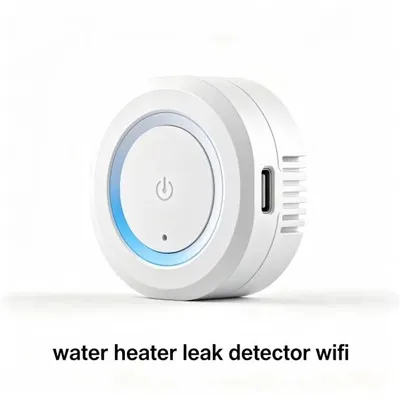
If you’re looking to upgrade your current detector, or you’re outfitting a new space and need something reliable, don’t hesitate to reach out and talk through your needs. We can help you pick a self-test model that works for you, no pressure, just honest advice because I know how important this stuff is.
Float Level Sensor References:
NFPA 2022 Propane Safety Statistics
UL Standard for Safety for Gas Detectors and Alarm Systems, UL 2075
RV Safety Association 2023 Propane Detector Maintenance Guide
Restaurant Safety & Health Association Commercial Kitchen Gas Equipment Guidelines
Shenzhen Fineherc Technology Co., Ltd.
Address: 5th Floor, Building D, No. 39, Keji East Road, Torch Development Zone, Zhongshan City,China
E-mail: fineherc@hotmail.com
WebSite: https://www.fineherc.com/
