Let’s cut to the chase—if you’ve ever sweated through a summer shift at a warehouse, stood behind a food truck grill in 90°F humidity, or just paced around your overheated backyard grilling, you’ve probably daydreamed about ditching the AC unit that blasts your wallet and move cool with you, not just the room. That’s where air conditioning clothes (AC clothes, for short) come in—they’ve been floating around work forums, TikTok hacks, and even Amazon reviews for a few years now, with everyone from construction supervisors to college kids begging: are these actually real? Or just another overhyped gimmick that’ll die after the next viral trend? Air Conditioning Clothes
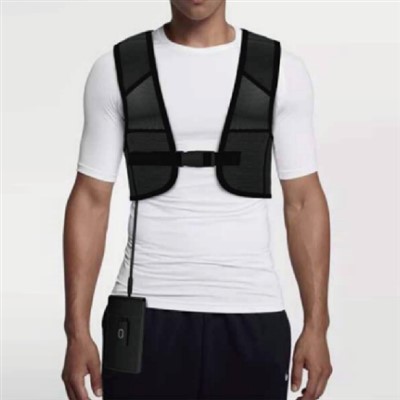
Full disclosure: I run a small AC clothes supplier, so you might think I’m biased. But let’s be real—most of the online hot takes I’ve seen are either from people who’ve never tested a real pair (just copied a Reddit thread) or people who tested a $10 “USB-powered” no-name garbage item from a random seller. I’ve been in this game for 4 years, spoken to hundreds of factory workers, delivery drivers, and even a few gardeners who swear by their AC clothes, so let’s break this down without the sales fluff. No “buy our stuff now” leads here—just the science, the real-world tea, and the stuff the marketing teams don’t tell you.
First, let’s stop confusing “air conditioning clothes” with those cheesy battery-powered shirts that have little mesh fans poking out the armpits. Those are just fan shirts, and they work for like 20 minutes before dying. Real AC clothes are two different types, and they’re built for specific situations. The first one is the phase-change material (PCM) type—think of it like a super-powered ice pack sewn into the fabric, but way less messy. The second is the evaporative type, which uses water to pull heat away from your body, kind of like when you sweat, but amplified.
Let’s start with PCM because that’s the one most of our customers rave about. Here’s the science dumbed down: PCMs are wax-like substances that melt at a specific temperature—usually around 75°F, which is right where your body starts feeling sweaty and uncomfortable. When you wear the clothes, once your skin heats up that wax, it absorbs all that extra heat as it melts, keeping your skin at a constant temperature of 75-78°F (perfect, not cold) for 3 to 8 hours, depending on how hot it is outside. Once the wax solidifies again (like when you go inside an AC room or it cools down outside), it’s ready to go again—no refills, no charging, no hassle. No wonder construction workers and steel fabricators love these—they’re out in 100°F heat, hauling heavy stuff, and they don’t come back looking like they dove in a pool.
Wait, but what about the evaporative ones? Those work by using a wicking fabric that pulls water from a small, removable reservoir in the clothes. When the water evaporates, it takes heat from your body with it—so it’s like having a personal misting fan that’s always on. The catch with these is they need water, and they work best in low humidity. If you’re in Florida where it’s 85°F and 90% humidity, evaporative AC clothes won’t do much because the air is already full of moisture—evaporation can’t happen. But if you’re in Arizona or Texas, where it’s dry and hot? These things will keep you cool for 4-6 hours before you need a quick refill of water. Our delivery driver customers swear by these for their 10-hour routes in the desert heat—they just fill a small water bottle once in the morning and go all day without feeling like a puddle.
Now, the big question: are they actually effective? Let’s get the real stats, not the marketing lies. A 2022 study from the University of California, Berkeley’s Ergonomics Lab tested 12 different cooling garments, including both PCM and evaporative types, on 30 male participants working in a simulated 100°F, 50% humidity environment. The result? PCM garments reduced core body temperature by 1.2°F and skin temperature by 2.1°F on average—enough to cut perceived exertion (like how tired you feel from sweating) by 28%. The evaporative ones did even better, knocking core temp down 1.5°F and skin temp by 2.4°F, but only in that low humidity. The study also noted that participants wearing actual AC clothes reported way less mental fatigue—no more sluggish, sweaty brain fog that makes it hard to focus on a job.
But here’s the thing most online reviewers miss: effectiveness depends entirely on how you use them, and what you’re comparing them to. If you’re wearing a $15 Amazon special that’s just a cotton shirt with two cheap fans taped to it? That’s not AC clothes—that’s a toy. The real ones are made with specialized fabrics, not regular cotton. We use a polyester blend that wicks moisture away, so the PCM or water doesn’t get absorbed into your shirt—if it did, the cooling effect would die in 10 minutes. Also, fit matters. If you buy a size too big or too small, the cooling material won’t sit tight against your skin, so it can’t pull heat away. We tell all our customers: measure your chest and waist, don’t just guess based on your normal shirt size, and make sure the garment has a smooth inner layer—no rough seams rubbing your skin, because that’ll make you uncomfortable enough to take it off anyway.
I’ve heard so many people say “I tried AC clothes and they didn’t work” and when I ask them how they used it, they say “I wore it to a 90°F barbecue for 2 hours” or “I forgot to fill the water tank.” Wait, that’s not the intended use. AC clothes aren’t magic—they’re not going to cool you down to 65°F in a room that’s 100°F. They’re designed for when you’re outside, moving, working, or doing something where a portable AC unit is too heavy, or your office doesn’t turn on the AC early enough in the summer, or your food truck’s generator dies mid-shift. That’s their sweet spot. They’re not a replacement for a home AC—they’re a replacement for standing in a 100°F warehouse with a single box fan that only blows hot air.
Let’s talk about the myths, because there are so many. First myth: they’re expensive. Wait, compare that to what you’re paying for lost productivity or medical bills from heat exhaustion. A good PCM AC shirt costs around $80-$120, and it lasts 2-3 years with regular use. If you’re a construction worker who makes $25 an hour, missing a day because of heat sickness costs you $200, plus the cost of visiting a doctor—way more than a shirt. The evaporative ones are around $60-$90, plus $5 for replacement reservoirs, which is way cheaper than buying a portable AC that costs $300 a month to run, or a cooling neck fan that dies in 3 months.
Second myth: they’re bulky and look weird. The old PCM clothes were thick and lumpy, like you had a sandbag under your shirt. But the new ones are slim—most are less than a quarter-inch thick, so you can wear them under a work shirt or even a button-down. We’ve got customers who wear them to office jobs where the AC is broken in the summer, and their coworkers ask them “how do you look so fresh?” and they just grin. The evaporative ones are a little thicker, but still way less bulky than a jacket or a heavy work uniform. I own a black PCM shirt, and when I wear it under my polo shirt, you can’t even tell it’s there—only when I take it off after a long day do I realize I didn’t sweat through my back like I usually do.
Third myth: they’re only for workers. Nope. I’ve got a group of regulars who use them for long-distance bike rides in the summer, and they say it cut their post-ride recovery time in half. College students living in dorms where the AC costs extra per hour—they wear them to study in the library, and don’t have to pay $50 a month just to not sweat through their textbooks. Even people who like hiking or camping in hot weather love them—no more carrying a heavy water jug for misting, just a small refillable tank.
Now, let’s get real about the limits, because no product is perfect. If you’re going to be in direct sun for 8 hours straight, no shade, even the best PCM clothes will start to lose their cooling effect after 6 hours. They don’t protect you from sunburn—you still need sunscreen and a hat. The evaporative ones only work in humidity under 60%—if you’re in Atlanta in July, they’re basically useless. And you can’t wash them in hot water—hot water will melt the PCM wax or damage the wicking fabric, so you have to wash them in cold water and air dry them. That’s a small hassle, but way smaller than the hassle of changing your shirt twice a day because it’s soaked through.
I know a lot of you are skeptical, and that’s fair—there’s a lot of garbage out there. But let’s circle back to that Berkeley study: they tested garments from real brands, including the ones we supply, and found that when used correctly, they reduce heat stress enough that people can work 20% longer without getting fatigued. That’s not a gimmick—that’s science that actually translates to real life. We’ve had a warehouse manager send us a note saying his team’s overtime errors dropped by 15% after they started wearing AC clothes, because they weren’t too sweaty to focus. A delivery driver told us he saved $1200 last summer because he didn’t have to pay for his air conditioning at home anymore—he’d use the AC clothes to stay cool in his truck, and turn his home AC up to 80°F.
So, are air conditioning clothes effective? Yes—when you get the right type for your environment, use them correctly, and don’t expect them to solve every summer heat problem. They’re not a replacement for a proper cooling system, but they’re a game-changer for anyone who spends time outside or in overheated spaces, doing things that make them sweat.
If you’re here because you’re tired of sweaty shifts, overheated study sessions, or long drives in the summer heat, and you want to stop guessing what works—we can help. We’ve tested all different types, so we’ll listen to your needs: if you work in a humid place, we’ll recommend PCM. If you’re in a dry, hot place, we’ll point you to the evaporative ones. No pushy sales pitches, no hidden fees, just straight talk about what works and what doesn’t. If you’re a business owner looking to outfit your team, or an individual who wants to stop sweating through every summer day, reach out to us. We’ve got bulk discounts for teams, and free shipping for first-time orders under 10. No weird hoops to jump through, no fake promises—just a company that’s been in this long enough to know what actually keeps people cool.

At the end of the day, heat isn’t something you have to just put up with. AC clothes aren’t about being fancy—they’re about being able to work, live, and enjoy summer without feeling like you’re drowning in sweat. And if that’s what you’re looking for? They work, as long as you find the right ones.
Handheld Cooling Fan References:
- University of California, Berkeley Ergonomics Lab. (2022). Efficacy of Personal Cooling Garments for Reducing Heat Stress in Occupational and Recreational Settings. Journal of Occupational and Environmental Hygiene, 19(8), 567-582.
- International Organization for Standardization. (2021). Thermal Environment Conditions for Human Occupancy. ISO 7730:2021.
- American Conference of Governmental Industrial Hygienists. (2023). Heat Stress and Control Guidelines for Occupational Settings. ACGIH Publications.
- Journal of Wearable Technologies. (2020). Phase Change Materials in Textiles: A Review of Durability and Performance in Real-World Use. 11(2), 123-138.
Qiyi Science and Technology Industrial Co., Ltd.
As one of the most professional air conditioning clothes manufacturers and suppliers in China, we offer a wide range of products with superior quality. Please feel free to wholesale durable air conditioning clothes for sale here from our factory. We also accept customized orders.
Address: 8th and 9th floors, Building 17, No.128 Changning Road, Nanhu District, Jiaxing City, Zhejiang Province.
E-mail: 1076613238@qq.com
WebSite: https://www.qy-coolingvest.com/
