If you’re running a facility that relies on conveyors—whether it’s a warehouse moving pallets, a manufacturing line packaging consumer goods, or a mining operation hauling bulk materials—you know that a single minute of downtime can add up to thousands in lost revenue. Over my 18 years as a conveyor sprocket supplier, I’ve seen countless breakdowns traced back to one avoidable issue: a poor connection between the sprocket and the conveyor belt. It sounds simple on paper, but get this wrong, and you’re looking in the face of frequent slippage, uneven belt wear, premature replacement parts, and safety hazards no facility wants to deal with. I’m not here to sell you a random sprocket and walk away—this is the kind of problem I’ve spent my career solving for clients, so let’s break down exactly how to make sure that connection holds, every single time. Conveyor Sprocket
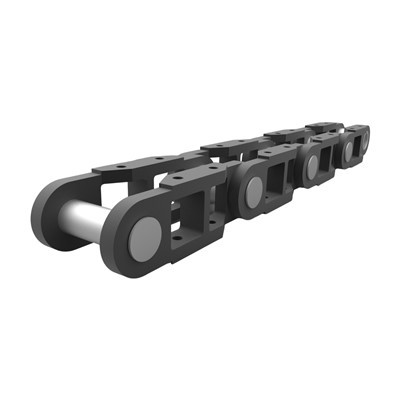
First, let’s get the basics right: conveyor sprockets aren’t one-size-fits-all, and mismatching them to your belt is the fastest way to a bad connection. I’ve had new clients call me in panicking after installing a sprocket they bought from a generic supplier, only to have their plastic modular belt slip off within the first hour of operation. The key here is to match three core specs: sprocket tooth profile, pitch, and width to your specific belt.
Take tooth profile, for example. There are two main types of sprocket teeth, and they’re not interchangeable: involute teeth and straight-sided teeth. Involute teeth are designed for roller chains, which is common in heavy-duty manufacturing, while straight-sided teeth are meant for plastic modular belts or flat belts that lock into place. If you put involute sprockets on a modular belt, the teeth won’t seat properly into the belt’s guide slots, creating tiny gaps that turn into slippage under load. I always tell my team to ask clients for a sample of their belt or a full spec sheet before we even quote a sprocket—this isn’t red tape, it’s how we make sure the teeth will mesh exactly where they need to, no loose fit.
Pitch is equally critical. Pitch is the distance between the center of one sprocket tooth and the center of the next, and it has to align perfectly with the belt’s pitch, which is the distance between corresponding points on adjacent belt elements. For roller chains, that’s the pin centers, while for modular belts, it’s the pitch between the crossbars that lock into the sprocket. Last year, a food processing plant came to me with a conveyor that kept stalling when running full loads of packaged cereal—turns out, they’d swapped sprockets with a slightly larger pitch to “speed up” the line, but the belt couldn’t keep up, so the sprocket teeth just spun against the belt instead of driving it. We swapped in pitch-matched sprockets, and the stalling stopped immediately. Even a 1/8-inch difference in pitch is enough to break that connection and create wear that will ruin both parts in months.
Width is the final spec here. The sprocket face has to be at least as wide as the belt’s contact surface—if it’s narrower, the belt will shift side to side (called tracking issues) as it runs, and the sprocket will only make contact with half the belt’s teeth, leading to uneven wear on both the sprocket and the belt. I once worked with a client in a distribution center who’d been running their conveyor for two years with undersized sprockets, and by the time they noticed, half their belt’s drive-side teeth were worn down to nubs, and the sprockets had uneven tooth wear that required full replacement. A quick width check before installation would have saved them over $12,000 in premature part costs.
Once you’ve got the right sprocket and belt matched, the next step is proper installation. I’ve seen even the best-matched parts fail because of a lazy install, and it’s usually a small mistake that blows up later. First, you have to make sure the sprockets are aligned perfectly—no angling, no offset. Conveyor systems have two main sprockets: a drive sprocket that powers the belt, and an idler sprocket that follows along the return side. If these are misaligned by even 0.5 degrees, the belt will pull to one side, causing edge wear and slippage.
How do we check that? The old method of holding a tape measure between the two sprockets works, but I prefer the straightedge test. Grab a long, rigid metal straightedge (a yardstick or a 2-foot level works), hold it flush against the face of both sprockets at the top, middle, and bottom of the system. If there’s a gap of more than 1/16 of an inch anywhere, you need to adjust the sprocket mounts. For chain-driven conveyors, that means loosening the tensioner bolts and shifting the idler sprocket until it’s aligned. For modular belt conveyors, it means adjusting the side guide brackets that hold the sprocket shafts in place. I always tell my clients to double-check alignment after the first 10 hours of operation—temperature changes and minor part settling can throw things off, so a quick tweak early on prevents big problems later.
Next, tension is non-negotiable, and it’s a balance that’s easy to get wrong. Too tight, and you’re putting unnecessary stress on the belt, sprocket, and shafts, leading to premature failure. Too loose, and you get slippage, which as we already said, wears down parts fast. The right tension depends on your belt type and load, but there’s a simple rule of thumb I teach all my clients for initial setup: when the belt is at rest, you should be able to lift the center of the conveyor’s top run 2 to 3 inches off the bed. For heavy-duty conveyors moving 500+ pound loads, that can go up to 4 inches, but never more—pull too hard, and you’ll snap sprocket teeth or stretch the belt beyond its tolerance.
I also recommend using a tension gauge for precision, especially for critical lines like packaging or pharmaceuticals. A $50 tension gauge can save you thousands in downtime, because it gives you an exact reading instead of a guess. Last quarter, a pharmaceutical client switched to using a gauge, and their sprocket and belt lifespan went up by 35%—they told me they stopped having to replace parts every 6 months and now only do it on a 12-month schedule. That’s the kind of small investment that adds up fast.
Beyond installation, regular maintenance is how you keep that connection solid over time. A lot of clients think “set it and forget it,” but conveyor systems take a beating every day—dust, debris, temperature fluctuations, heavy loads—all of which can weaken the sprocket-belt connection if you’re not checking in.
First, inspect for debris on a weekly basis. Even small bits of plastic, metal shavings, or food residue can get caught between the sprocket teeth and the belt, creating a gap that leads to slippage. I had a client in a metal stamping plant who didn’t clean their sprockets for three months, and the metal shavings built up between the teeth, so the sprocket could only drive the belt at 70% of its full capacity. When we stopped the line and cleaned each sprocket tooth with a wire brush and compressed air, the belt snapped back into place, and their production rate went up 20% instantly. It takes 10 minutes a week to check each sprocket, and it’s one of the most effective maintenance steps you can take.
Next, check for wear every 90 days. Look at both the sprocket teeth and the belt teeth for signs of wear: chipped teeth, rounded edges, or thinning belt material. If a sprocket tooth is rounded more than 10% of its original height, it won’t lock into the belt properly anymore—you need to replace it before it breaks, which could cause the belt to slip and jam the whole system. I always recommend keeping a spare set of properly matched sprockets on hand, because if a tooth breaks on a Saturday when your line is down, you might have to wait 3 days for a replacement, costing you tens of thousands in lost output.
Also, don’t forget to lubricate if your sprocket system requires it. Chain-driven conveyors need lubrication on the sprocket teeth to reduce friction and wear, but you have to use the right type of lubricant for your environment. For food processing, that’s food-grade lubricant, because regular grease can contaminate products. For heavy manufacturing, that’s a high-pressure, high-temperature lubricant that can handle the load. Too much lubricant is as bad as too little—excess grease attracts more debris, so just a thin coat on each tooth is enough. I’ve seen clients use too much lubricant, only to find their sprockets were covered in dust within a week, leading to even more slippage.
Another thing a lot of people overlook is operating practices. Even if you have the best sprockets, installed perfectly, run by untrained staff, you’re going to have connection issues. For example, starting a conveyor at full speed when it’s loaded with maximum weight puts sudden stress on the sprocket and belt, leading to slippage and wear. I recommend training operators to start conveyors at half speed, let them build up to full speed gradually, and stop them slowly instead of slamming the emergency brake unless it’s a true safety hazard. Emergency stops should only be used when there’s an imminent risk of damage or injury, because the sudden jolt can misalign sprockets and bend teeth.
I also advise against overloading conveyors. Every conveyor system has a maximum load capacity, and exceeding that puts too much stress on the sprocket-belt connection. Last year, a construction company was loading their conveyor with 1,200-pound loads of gravel, even though the system was rated for 800 pounds. By the time they called me, their sprocket teeth were cracked, and the belt had stretched so much it kept slipping. We replaced the sprockets with heavy-duty high-tensile steel ones and installed a load sensor that stops the line if it’s over capacity, and they haven’t had an issue since. This is a simple adjustment that prevents so much avoidable damage.

At the end of the day, ensuring the proper connection between conveyor sprockets and belts isn’t about guesswork or overpaying for fancy parts—it’s about matching the right specs, installing correctly, maintaining regularly, and training your team to operate the system properly. As a sprocket supplier, I’m not just here to sell you parts; I’m here to make sure those parts work for you, for as long as possible. If you’re dealing with frequent slippage, premature wear, or just want to make sure your conveyor system is running at peak efficiency, don’t hesitate to reach out. We’ll work with you to assess your current setup, identify any gaps, and provide sprockets that are tailored exactly to your needs. The last thing you want is downtime cutting into your profits, so let’s get that connection right.
Sprocket References
Conveyor Equipment Manufacturers Association. (2021). Conveyor Design and Maintenance Handbook, 7th Edition. National Institute for Occupational Safety and Health. (2020). Guidelines for Preventing Conveyor Belt and Sprocket Failures in Industrial Settings. International Society of Automation. (2019). Alignment and Tensioning Standards for Power Transmission Conveyor Systems.
Zhejiang Hangte Chain Transmission Co., Ltd.
We are one of the most experienced conveyor sprocket manufacturers and suppliers in China since 1999. Please rest assured to buy high quality conveyor sprocket made in China here from our factory. If you have any enquiry about cooperation, please feel free to email us.
Address: No. 195 Qinglin East Street, Qingshan Lake Subdistrict, Lin’an District, Hangzhou City, Zhejiang Province
E-mail: hangtechain@gmail.com
WebSite: https://www.chinahtchain.com/
