Let’s cut to the chase—if you’re a turbine ops manager, maintenance lead, or even a procurement person who’s ever stared at a pile of used turbine fasteners sitting in a corner of your warehouse, you’ve definitely asked this: Can I just reuse these? I get it, too—turbine parts are expensive, and dumping perfectly good hardware that’s still got a shiny (well, not shiny—they’re probably covered in heat-resistant coating and a little grime) finish feels like throwing money down the drain. I run a small turbine fastener supply shop, and this question hits my inbox at least once a week, so I’m gonna break this down like I would for a guy who’s got a turbine shutdown in 10 days and doesn’t have time to read a 50-page engineering manual. Turbine Fasteners
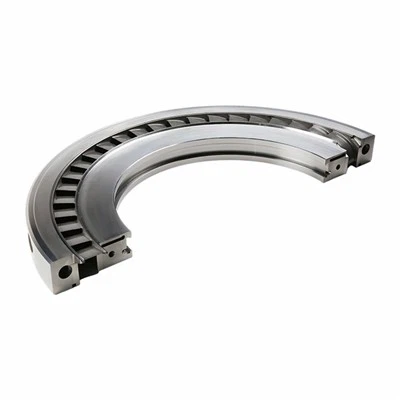
First, let’s get one thing straight: not all turbine fasteners are created equal. The ones we supply—we do the main high-torque bolts for turbine casings, the tiny stud bolts for blade attachments, even the lock nuts that keep everything from vibrating loose—aren’t your average hardware store bolts. These things are built for extreme environments. We’re talking constant heat (some run at 1,000°F+), massive vibration, and insane pressure that would snap a regular bolt in half before lunch. So before you even think about reusing, you gotta remember: these parts have a job to do, and cutting corners here isn’t just bad for your budget—it’s a safety hazard.
That said, “reusable” isn’t a yes or no answer. Let’s start with the no-gos first, because that’s the stuff we have to warn customers about every single time. If a fastener’s got any of these red flags, don’t even bother: thread galling, that’s when the metal smears or seizes into itself when you undo it—super common in high-heat turbines. If you see shiny, deformed threads, that’s not just wear, that’s material grain damage, and it can cause the bolt to break under torque. Then there’s cracking, either visible on the surface (you can spot that with a quick visual check or a magnetic particle test) or micro-cracks you can’t see—those are a ticking time bomb, especially in high-stress areas. Also, if the fastener’s been exposed to corrosion beyond surface spotting, or if it was over-torqued during its last install (you can tell by stretch marks on the shank), that’s a hard pass. We once had a customer try to reuse a main casing bolt that had a tiny crack at the head—luckily, they caught it before tightening, but that would’ve been a disaster mid-shutdown.
But wait, there are lots of cases where reusing is totally fine—even smart, for your wallet and your timeline. Let’s say you did a planned shutdown, not an emergency one, and you took the time to pull every bolt, clean ’em up, and do a proper inspection. I’m talking checking the thread pitch with a gauge, making sure the shank length hasn’t stretched (you can measure it with a caliper—if it’s more than 0.002 inches longer than new, toss it), and running a hardness test to make sure the material strength is still where it needs to be. We supply a lot of aftermarket fasteners, and we work closely with turbine maintenance teams that reuse parts all the time when they pass those checks. For example, the stud bolts that hold the exhaust manifold on a gas turbine—those aren’t under the same constant stress as the rotor bolts, so if they come out with no damage, reusing them is standard.
Now, let’s talk about the gray area, because that’s where most people mess up. What about those small lock nuts? You know, the ones with the nylon insert that keeps them from vibrating loose. Can you reuse those? Nope. The nylon insert gets worn down and loses its grip after one use, so even if the metal part of the nut looks perfect, it’s not gonna hold torque like it should. We always tell customers to replace lock nuts every single time—same with washers. Spring washers lose their spring tension after being compressed once, so they can’t absorb vibration anymore. That’s a cheap part, so don’t risk it and try to save a buck here.
Another big one: torque-to-yield (TTY) bolts. These are the ones that are designed to stretch when tightened to a specific torque, because that stretch gives them their clamping force. You absolutely cannot reuse TTY bolts. Once you stretch them, they can’t go back to their original length without losing strength, and if you try to stretch them again, they’ll snap. We always mark TTY bolts in our inventory so customers don’t accidentally grab them for reusing, and we remind them of this every time we ship an order. I once had a new maintenance manager call me panicking because he reused a TTY bolt and it snapped during install—cost him a whole extra day of shutdown and a lot of overtime. That’s a mistake you don’t wanna make.
Let me also talk about real-world examples, because numbers and stories hit different. A customer of ours in Texas runs a combined cycle gas plant with four turbines. They used to buy all new fasteners every shutdown, which was costing them like $120k a year. They started implementing a reuse program two years ago, and now they’re down to $45k a year—huge savings. But here’s the key: they didn’t just reuse any old bolt. They had a third-party inspection team come in after every shutdown, test every used fastener, grade them by quality, and only reuse the ones that met the original manufacturer’s specs. They track everything in a spreadsheet—part number, size, inspection date, number of times it’s been reused (max three times, by the way—after that, even if it passes inspection, they swap it out). That’s the sweet spot, right? Saving money without cutting corners on safety.
Wait, but what about when you’re in a pinch—emergency shutdown, and you’re missing a few fasteners? Can you grab a used one from a broken part or a spare bin and reuse it? I’d say use extreme caution here. If it’s a small, low-stress part like a blower mounting bolt, maybe. But if it’s a high-stress bolt for the turbine rotor or casing, no way. We get emergency calls all the time from plants that forgot to order enough bolts, and we rush ship new ones same-day—because there’s no such thing as a “safe guess” with a critical fastener. Cutting corners here can lead to a turbine failure, which costs way more than just a few bolts. It’s not worth it.
Now, let’s get into the science behind it, because I know some of you guys wanna geek out a little. Turbine fasteners are usually made from high-alloy steels, like Inconel or 17-4 PH stainless steel, which have high strength and heat resistance. When you torque a bolt, you’re stretching the shank—this creates tension that holds the two parts together. Every time you remove and reinstall a bolt, you’re putting it through a cycle of stretching and releasing, which causes what’s called “cyclic fatigue.” After a few cycles, the material’s fatigue limit gets lower, meaning it can snap under stress that would’ve been fine for a new bolt. That’s why most manufacturers specify a maximum number of reuses—usually 2 to 3, depending on the part.
Also, let’s talk about cleaning. A lot of guys will yank a bolt off, wipe off the grime with a rag, and call it good. But to properly inspect a fastener, you need to remove all the heat scale, oil, and debris that can hide cracks or galling. We recommend using ultrasonic cleaning for high-stress fasteners—it gets into the threads and crevices way better than manual wiping. If you’re not cleaning them properly, you could miss a tiny crack that’s gonna cause a huge problem later.
Here’s the thing I want you to take away: reusing turbine fasteners isn’t inherently bad—it’s all about doing it right. It’s a smart way to cut costs when you have the time, resources, and expertise to inspect and test every used part. But it’s not a shortcut to skip proper maintenance or risk safety. The worst thing you can do is take a “it looks good, so it is good” approach. That’s how you end up with a turbine shutdown that costs you hundreds of thousands of dollars (or more) in lost production, not to mention safety risks for your team.
If you’re not sure if a used fastener is reusable, don’t guess. Reach out to us. We’ve got engineers on staff who know every type of turbine fastener, and we can help you figure out if a part is safe to reuse, or if it’s time to swap it out for a new one. We also supply all the parts you need, whether you’re reusing or starting fresh—from standard bolts to custom high-alloy fasteners that meet the strictest turbine specs.
We work with plants of all sizes, from small industrial turbines to big power generation facilities, so we know how important it is to keep your shutdowns on schedule and your costs under control. If you’re ready to talk about your fastener needs, whether it’s a reuse program, an emergency order, or just a question about if a specific part is good to go, hit us up. No sales pitch, no pressure—just real advice from a guy who’s been in this game for years, working with turbine teams to keep their parts safe and their budgets in line.
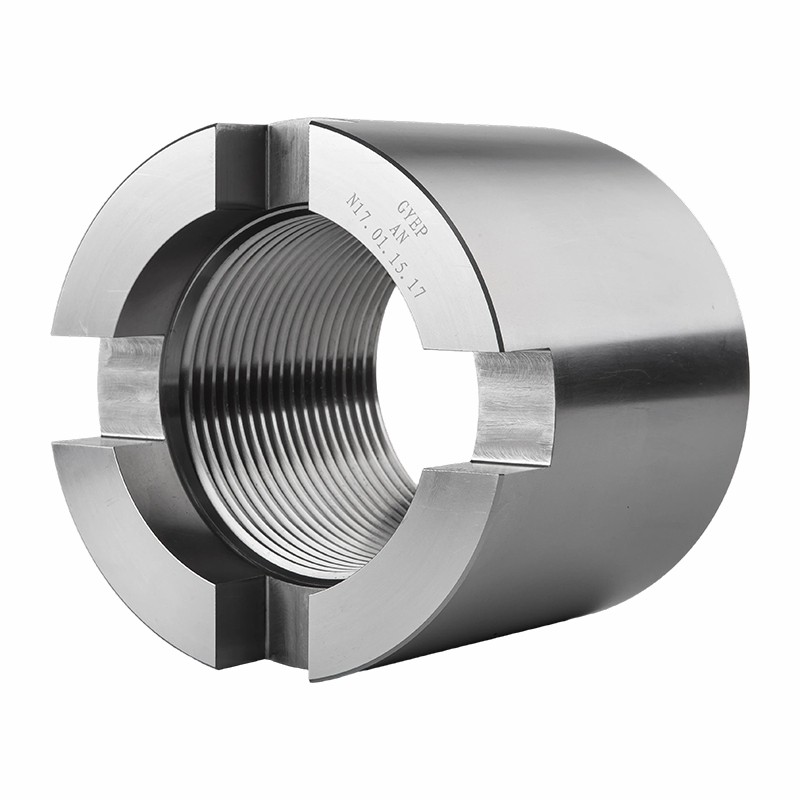
At the end of the day, turbine fasteners are the unsung heroes of a power plant. They hold everything together, and when they fail, everything else stops. So whether you’re reusing or buying new, do it right. Don’t save a buck on a part that can cause a million dollars in damage. That’s my two cents, and I stick by it.
Gas Turbine Components References
- "Turbine Fastener Reuse Guidelines," American Society of Mechanical Engineers (ASME) PCC-1, 2021.
- "Material Fatigue in High-Alloy Steel Fasteners for Industrial Turbines," Journal of Engineering for Gas Turbines and Power, Vol. 142, No. 5, 2020.
- "Locking Fastener Performance in High-Vibration Turbine Environments," Vibration Institute Technical Report TR-18-04, 2018.
- "Maintenance Best Practices for Steam and Gas Turbine Fasteners," Electric Power Research Institute (EPRI) Report 1028756, 2022.
- "Thread Galling Prevention in High-Temperature Alloys," National Association of Corrosion Engineers (NACE) Publication 5A191, 2019.
Hebei Guoyuan Electric Co., Ltd.
With abundant experience, we are one of the most professional turbine fasteners manufacturers in China. We warmly welcome you to buy discount turbine fasteners for sale here and get pricelist from our factory. Quality products and low price are available.
Address: No. 18 Tianshan Science and Technology Industrial Park, No. 319 Xiangjiang Road, Shijiazhuang High-tech Zone, Hebei Province, China
E-mail: turbine@goineep.com
WebSite: https://www.goineep.com/
