If you’ve ever worked in directional drilling, you know non-magnetic drill subs are non-negotiable—they’re the silent workhorses that keep your survey tools accurate, free from the magnetic interference of the steel drill string that would throw your well’s trajectory way off. When they go wrong, though, they’re not just a minor hiccup; they can derail a entire well program, eat into your budget, and even put your crew at risk. Over 12 years as a non-magnetic drill subs supplier, I’ve walked dozens of operators through troubleshooting these issues in real time—from on-site breakdowns to factory-level performance dips. Today, I’m pulling back the curtain on the most common problems, how to diagnose them, and how to fix them fast. Non-Magnetic Drill Subs

First, let’s ground this in what a non-magnetic drill sub actually is, to make troubleshooting make sense. Unlike regular drill pipe or subs made from standard carbon steel, these parts are forged from a high-nickel, non-magnetic alloy (usually something like 21Cr duplex or a high-manganese austenitic blend, depending on the application). That’s what eliminates magnetic interference, but it also makes them a bit different to handle, maintain, and troubleshoot—they don’t behave like your average steel drilling tool. A lot of new drillers don’t realize that, and that’s where most missteps start.
The #1 most frequent problem I get called about is unexpected magnetic interference showing up in MWD (Measurement While Drilling) or LWD (Logging While Drilling) surveys, even after a sub was certified “non-magnetic” when it left our facility. Let’s break this down. When a sub leaves us, it goes through a multi-step magnetic permeability test—we use a fluxgate magnetometer to confirm it has a permeability of less than 1.05, which is the threshold for non-magnetic performance. That number can shift in the field, though, and the cause isn’t always the alloy itself.
First, check for mechanical damage. I’ve seen a sub that got dented during a tripping operation in a remote well, and that single 2-inch dent was enough to distort the alloy’s crystal structure, driving its permeability up past the 1.05 mark. When metal is dented or bent, it undergoes plastic deformation, which rearranges the atomic lattice and creates tiny magnetic domains in an otherwise non-magnetic material. To diagnose this, don’t just look for dents—use a handheld magnetic permeability tester, the same kind we use on our production floor. Run it along the entire length of the sub, paying extra close attention to tool joints, the threaded connections, and any areas that have been marked by slips or clamps during handling. If the permeability reading is over 1.05, and there’s a visible dent, that’s your problem. The fix here is simple: if the dent is minor (less than 10% of the sub’s outer diameter), you can sometimes have it straightened by a certified drill tool repair shop, but if it’s deeper than that or it’s already started to crack, you’ll need to replace it. I always tell operators to mark any sub that’s been dented with a red tag in their inventory system, so no one accidentally puts it back into rotation without testing it.
Another common cause of unexpected magnetic interference is improper installation of downhole tools onto the sub. A lot of drillers don’t realize that when you thread an MWD tool or a survey collar onto the non-magnetic sub, you have to use anti-seize lubricant made specifically for non-magnetic alloys. Regular copper-based anti-seize (or even worse, steel-based compounds) can leave small, magnetic particles on the threads that get compacted when you torque the connection, and those particles will throw off survey readings. Last year, an operator in West Texas called me panicking because his survey was off by 12 feet on a 5,000-foot lateral. When we walked through his process, he was using a standard graphite anti-seize, and the threads of his sub had accumulated tiny steel shavings from his old drill pipe. We cleaned the threads with a non-magnetic solvent, re-lubed with our approved non-magnetic anti-seize, and that fixed the issue immediately. The test here is easy: after assembling your survey tools, run a quick magnetic scan around the connection. If the fluxgate picks up a spike, that’s your contamination.
The second big category of problems is thread damage or connection failure, which is just as critical as magnetic interference. Non-magnetic drill subs have to handle the same extreme torque and weight as regular drill pipe, but their alloy is slightly more brittle than standard carbon steel, so they’re prone to thread galling, fatigue cracks, or even thread stripping if not handled right. I once had a client in the Permian who tore up three subs in a month, and it turned out his crew was over-torquing the connections because they thought “more torque means tighter.” Non-magnetic alloys have a different torque specification than carbon steel—our data shows that over-torquing by just 15% can cause thread galling that will lead to failure within a few thousand feet of drilling.
To troubleshoot thread issues, start with the visual check after every trip. Look for galling (that shiny, smudged wear on the thread flanks) which is a sign of friction between the threads. If you see galling, it’s almost always because of either insufficient anti-seize, using the wrong kind, or over-torquing. We recommend that all our clients use a torque chart specific to our subs—generic drill pipe torque charts don’t apply here, because the non-magnetic alloy has a lower yield strength. If galling is present, you’ll need to have the threads re-cut by a precision drill tool shop, or replace the sub if the damage is too deep.
Another thread-related problem is fatigue cracking, which usually shows up on subs that have been used for multiple wells, tripped hundreds of times, and exposed to cyclic load from drilling. These cracks often start on the inside of the tool joint, so they’re hard to see from the outside. To diagnose them, use a dye penetrant test, or a ultrasonic thickness gauge, which can pick up tiny flaws in the alloy before they turn into full-on breaks. I always tell operators to do a full crack check on their non-magnetic subs after they’ve completed a well that had high vibration—like drilling through hard rock or high-pressure, high-temperature (HPHT) formations—because those conditions accelerate fatigue. Last year, an operator in the Marcellus used our subs to drill a horizontal well through the Mohonian formation, and after tripping out, we did an ultrasonic scan and found a 1/8-inch crack on the inner tool joint of a sub that had only been used three times. If we hadn’t caught that, the sub could have failed downhole, causing a fish that would have cost them over $100,000 to recover.
The third problem I hear about most is HPHT performance issues, which have gotten way more common as operators drill deeper and hotter wells. Non-magnetic alloys hold up well to high temperatures, but only up to a point—most of our subs are rated for up to 350 degrees Fahrenheit, but if you’re drilling a well that hits 400 degrees or higher, the alloy’s permeability can start to shift, and the threads can lose their strength. A client in the Gulf of Mexico called me two years ago because his subs were failing a magnetic test after a week of drilling in 410-degree heat, and it turned out he had used standard subs rated for 350 degrees instead of our HPHT-grade non-magnetic subs, which use a modified alloy that can handle up to 450 degrees. The fix here is simple: match your sub’s rating to your well’s expected bottomhole temperature. If you don’t know what that is, you can run a pre-drill temperature log, or just ask your supplier—we always provide a temperature rating for every sub we sell, and we tag them clearly in inventory so they don’t get mixed up.
Another HPHT-related issue is corrosion. Non-magnetic alloys are more resistant to corrosion than carbon steel, but they’re not immune—if you’re drilling in a well with high levels of hydrogen sulfide (H2S) or carbon dioxide (CO2), the alloy can start to corrode over time, which will weaken it and also affect its magnetic properties. I had an operator in Wyoming drill a well with high H2S, and after 10 days of drilling, his subs had developed tiny pits on the surface. When we tested the pits, we found they had accumulated magnetic particles from the corrosion process, pushing the sub’s permeability over the threshold. The fix here is to use a corrosion-resistant non-magnetic alloy—we offer a high-chromium blend for H2S service, and it’s made a huge difference for operators working in those formations. Also, make sure you flush the subs with fresh water after every trip if you’re drilling in saline or corrosive mud, because that prevents buildup that can lead to corrosion.
Now, let’s talk about a few less common but still critical issues, like improper storage. So many operators store their non-magnetic subs the same way they store regular drill pipe—stacking them on top of each other in the yard, exposing them to rain, snow, and dirt for months at a time. That’s a mistake. I’ve seen subs that were stored outdoors for six months, and the moisture had caused surface corrosion that spread into the alloy, changing its magnetic properties. The correct way to store non-magnetic drill subs is to keep them in a covered, dry area, off the ground on racks that don’t touch regular steel pipe (the steel can transfer magnetic particles to the sub). If you have to store them outdoors, wrap them in a waterproof, magnetic-insulated blanket, and run a permeability test before putting them into service after storage.
Another small but frequent issue is lost or mismatched components. Non-magnetic drill subs use non-mistic connection protectors, centralizers, and cross-over subs, right? If you accidentally use a steel centralizer on your non-magnetic sub, that steel part is magnetic, and it will interfere with surveys. I’ve seen this happen so many times—an operator grabs a steel centralizer from the scrap bin because he ran out of non-magnetic ones, and within an hour, his survey is off. The fix here is to keep a separate inventory of non-magnetic accessories, clearly labeled, and never use steel parts on your non-magnetic subs. If you lose a centralizer mid-well, you can use a non-magnetic alloy replacement, but make sure you test it before connecting it to your survey tools.
Now, a quick troubleshooting step-by-step guide I share with every operator I work with, to make this process faster when you’re in a pinch on location:
- When you first notice an issue (interference, connection failure, etc.), stop drilling immediately—don’t keep going, that will only make the problem worse.
- Isolate the sub: Remove it from the drill string, and clean all threads and surfaces with a non-magnetic solvent to get rid of mud, grease, or debris that could be masking the issue.
- Run a full permeability scan: Use a handheld magnetometer to test the entire length of the sub, tool joints, and connections. Note any areas that read over 1.05, as that’s your problem spot.
- Do a visual and crack check: Look for dents, galling, cracks, or corrosion. Use dye penetrant or ultrasonic testing if you suspect internal flaws.
- Match the issue to the solution: If it’s a dent, decide if you can straighten it or need to replace. If it’s thread galling, re-cut or replace. If it’s magnetic interference from contamination, clean and re-lube. If it’s HPHT or corrosion-related, replace with the right grade.
The biggest takeaway here is that non-magnetic drill subs aren’t just a commodity—they’re precision tools that need the same level of care as your survey equipment, and troubleshooting them starts with understanding how they’re different from regular steel drill pipe. Over my years as a supplier, I’ve learned that most issues are preventable with basic maintenance, proper handling, and using the right parts for your well. When an operator takes the time to test their subs after every trip, use the correct anti-seize and accessories, and match the sub’s rating to their well’s conditions, they almost never have major issues.
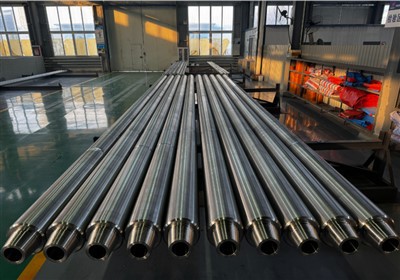
If you’re dealing with persistent problems with your non-magnetic drill subs, or you’re looking to upgrade your inventory to reduce downtime on your next project, we have over 15 years of experience supplying precision-tested, grade-specific non-magnetic subs for every type of drilling application—from vertical wells to high-lateral directional wells, and HPHT, H2S service wells. Our team can help you audit your current inventory, train your crew on proper maintenance, and provide custom solutions for your unique well conditions. For more information or to discuss your needs, don’t hesitate to reach out.
References
Non-Magnetic Tools for Coal API Specification 7: Specification for Rotary Drilling Equipment, 2022 Edition
International Organization for Standardization (ISO) 10423: Petroleum and natural gas industries – Drilling and production equipment – Wellhead and christmas tree equipment, 2019
NACE Standard MR0175/ISO 15156: Petroleum and natural gas industries – Materials for use in H2S-containing environments in oil and gas production, 2020
Shanxi Zhonghe Non-Magnetic Drill Tool Co., Ltd.
Address: No.168 Fenglei Street, Houma City, Linfen City, Shanxi Province, China.
E-mail: lucy@nmdrillcollar.com
WebSite: https://www.zhnmdc.com/
