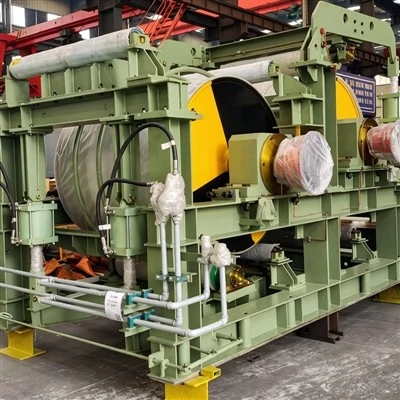
Commissioning hot rolling equipment is a complex and critical process that requires careful planning, technical expertise, and a systematic approach. As a supplier of hot rolling equipment, I have been involved in numerous commissioning projects, and I understand the challenges and requirements involved. In this blog post, I will share my insights and experiences on how to commission hot rolling equipment successfully. Hot Rolling Equipment
Pre-commissioning Preparations
Before initiating the commissioning process, it is essential to conduct comprehensive pre-commissioning preparations. This phase sets the foundation for a smooth and efficient commissioning process. Here are the key steps involved:
Review of Design and Documentation
- Technical Drawings and Specifications: Thoroughly review the technical drawings, specifications, and manuals provided by the equipment manufacturer. Ensure that all components are accurately designed and specified to meet the project requirements.
- Electrical and Control Systems: Review the electrical schematics, control logic diagrams, and programming codes for the hot rolling equipment. Verify that the control systems are configured correctly and capable of performing the required functions.
Site Preparation
- Installation and Alignment: Ensure that the hot rolling equipment is installed and aligned correctly according to the manufacturer’s specifications. Proper alignment is crucial for the smooth operation and performance of the equipment.
- Utilities and Infrastructure: Verify that all utilities, such as power supply, water, and compressed air, are available and properly connected to the equipment. Check the infrastructure, including foundations, flooring, and ventilation, to ensure that they are suitable for the operation of the equipment.
Operator Training
- Training Programs: Develop and implement comprehensive training programs for the operators and maintenance personnel. The training should cover the operation, maintenance, and safety procedures of the hot rolling equipment.
- Hands-on Training: Provide hands-on training opportunities for the operators to familiarize themselves with the equipment and its controls. This will help them gain confidence and proficiency in operating the equipment.
Safety Measures
- Risk Assessment: Conduct a risk assessment to identify potential hazards associated with the commissioning process. Develop and implement appropriate safety measures to mitigate these risks.
- Safety Equipment: Provide all necessary safety equipment, such as personal protective equipment (PPE), fire extinguishers, and emergency stop buttons, to ensure the safety of the personnel involved in the commissioning process.
Commissioning Process
The commissioning process involves a series of tests and checks to ensure that the hot rolling equipment is functioning properly and meets the specified performance criteria. Here are the key steps involved in the commissioning process:
Electrical and Control System Checks
- Power-on Tests: Conduct power-on tests to verify the electrical connections and the functionality of the control systems. Check for any electrical faults, such as short circuits or open circuits, and ensure that the control systems are communicating properly with the equipment.
- Control System Calibration: Calibrate the control systems to ensure that they are accurately measuring and controlling the process variables, such as temperature, speed, and pressure. This will help optimize the performance of the hot rolling equipment.
Mechanical Checks
- Mechanical Alignment: Check the mechanical alignment of the hot rolling equipment to ensure that all components are properly aligned and functioning smoothly. This includes checking the alignment of the rolls, gears, and bearings.
- Lubrication System Checks: Verify the operation of the lubrication system to ensure that all moving parts are properly lubricated. Check for any leaks or blockages in the lubrication system and ensure that the lubricants are of the correct type and viscosity.
Hydraulic and Pneumatic System Checks
- Hydraulic System Checks: Check the hydraulic system for any leaks, pressure drops, or abnormal noises. Verify the operation of the hydraulic pumps, valves, and cylinders, and ensure that the hydraulic oil is at the correct level and temperature.
- Pneumatic System Checks: Check the pneumatic system for any leaks, pressure drops, or abnormal noises. Verify the operation of the pneumatic valves and cylinders, and ensure that the compressed air is clean and dry.
Process Tests
- Rolling Tests: Conduct rolling tests to verify the performance of the hot rolling equipment. Start with small-scale tests using dummy materials to ensure that the equipment is functioning properly. Gradually increase the scale of the tests until the equipment is capable of producing the desired product quality.
- Quality Control Checks: Perform quality control checks on the rolled products to ensure that they meet the specified quality criteria. This includes checking the dimensions, surface finish, and mechanical properties of the rolled products.
Post-commissioning Follow-up
After the commissioning process is completed, it is essential to conduct post-commissioning follow-up to ensure the long-term performance and reliability of the hot rolling equipment. Here are the key steps involved in the post-commissioning follow-up:
Performance Monitoring
- Data Collection and Analysis: Establish a system for collecting and analyzing performance data from the hot rolling equipment. This will help identify any trends or issues that may affect the performance of the equipment.
- Performance Evaluation: Regularly evaluate the performance of the hot rolling equipment against the specified performance criteria. Identify any areas for improvement and develop appropriate corrective actions.
Maintenance and Troubleshooting
- Preventive Maintenance: Develop and implement a preventive maintenance program for the hot rolling equipment. This will help prevent breakdowns and ensure the long-term reliability of the equipment.
- Troubleshooting and Repairs: Establish a system for troubleshooting and repairing any issues that may arise with the hot rolling equipment. Ensure that the maintenance personnel are trained and equipped to handle any repairs or maintenance tasks.
Operator Support
- Technical Support: Provide technical support to the operators and maintenance personnel to ensure that they have the necessary knowledge and skills to operate and maintain the hot rolling equipment.
- Training Updates: Provide regular training updates to the operators and maintenance personnel to keep them up-to-date with the latest technologies and best practices in hot rolling equipment operation and maintenance.
Conclusion
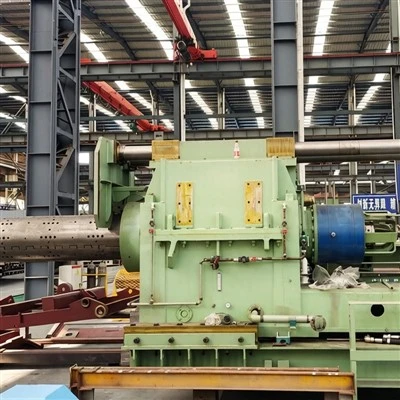
Commissioning hot rolling equipment is a complex and critical process that requires careful planning, technical expertise, and a systematic approach. By following the steps outlined in this blog post, you can ensure a smooth and efficient commissioning process and achieve the desired performance and reliability of your hot rolling equipment.
Hot Rolling Equipment If you are interested in purchasing hot rolling equipment or need assistance with commissioning, feel free to contact us. Our team of experts is ready to provide you with the best solutions and support.
References
- [Manufacturer’s Manuals and Documentation]
- [Industry Standards and Guidelines]
- [Previous Commissioning Reports and Case Studies]
Jiangsu Dongfang Whole-Set Equipment Manufacturing Group Co., Ltd.
We are one of the most professional hot rolling equipment manufacturers and suppliers in China, also support customized service. With abundant experience, we warmly welcome you to buy durable hot rolling equipment from our factory. If you have any enquiry about pricelist, please feel free to email us.
Address: No. 9, Industrial Park, Xinqiao Town, Jingjiang City, Jiangsu Province
E-mail: dfctwm@163.com
WebSite: https://www.dongfangequip.com/
