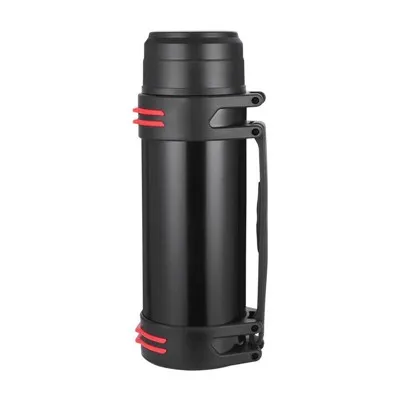
Stainless steel insulated flasks have become a staple in our daily lives, whether it’s for keeping our morning coffee hot during a long commute or ensuring our water stays cold during an intense workout. One of the common concerns potential buyers have is the resistance of these flasks to scratches. As a supplier of high – quality stainless steel insulated flasks, I’ve encountered this question numerous times, and I’m here to provide a detailed and scientific analysis. Stainless Steel Insulated Flask
Understanding Stainless Steel
Before delving into scratch resistance, it’s crucial to understand the composition of stainless steel. Stainless steel is an alloy primarily made up of iron, with a minimum of 10.5% chromium content. The chromium forms a thin, invisible layer of chromium oxide on the surface of the steel, known as the passive layer. This passive layer is what gives stainless steel its corrosion – resistant properties.
There are different grades of stainless steel, and the ones commonly used in insulated flasks are 18/8 (also known as 304) and 18/10 (316). The numbers 18/8 and 18/10 represent the percentage of chromium and nickel in the alloy respectively. Grade 304 stainless steel is widely used due to its good balance of strength, corrosion resistance, and cost – effectiveness. Grade 316, on the other hand, contains molybdenum, which provides even better corrosion resistance, especially in harsh environments.
Factors Affecting Scratch Resistance
Surface Finish
The surface finish of a stainless steel insulated flask plays a significant role in its scratch resistance. There are three main types of surface finishes commonly used in flasks: brushed, polished, and matte.
- Brushed Finish: A brushed finish is created by mechanically abrading the surface of the stainless steel in one direction. This finish gives the flask a textured appearance and can hide minor scratches relatively well. The brushing process aligns the surface grains of the steel, and small scratches tend to blend in with the overall texture. However, deep scratches can still be visible.
- Polished Finish: A polished finish results in a smooth, shiny surface. While it looks aesthetically pleasing, it is more prone to showing scratches. Even the slightest abrasion can be noticeable on a polished surface because it reflects light uniformly. On the flip side, polished finishes are relatively easy to buff out minor scratches using fine – grit polishing compounds.
- Matte Finish: A matte finish is achieved through processes like sandblasting or chemical treatment. It has a non – reflective, dull appearance. Matte finishes are generally more scratch – resistant than polished finishes because the rough surface diffuses light, making scratches less visible. However, they can be more difficult to clean compared to polished or brushed finishes.
Hardness of the Stainless Steel
The hardness of the stainless steel used in the flask also affects its scratch resistance. Harder stainless steel is more resistant to scratching. The hardness of stainless steel can be influenced by factors such as the alloy composition and heat treatment. For example, adding elements like silicon and manganese can increase the hardness of the steel.
Heat treatment can also be used to modify the hardness of stainless steel. Processes like cold working, where the steel is deformed at room temperature, can increase its hardness and strength. However, extreme heat treatment can sometimes reduce the corrosion resistance of the stainless steel, so a balance must be struck during the manufacturing process.
External Factors
The environment in which the flask is used and the type of contact it has can greatly affect its scratch resistance. For instance, if the flask is frequently rubbed against rough surfaces like concrete or gravel, it is more likely to get scratched compared to if it is stored in a soft – lined case.
The type of objects that come into contact with the flask also matters. Sharp objects, such as keys or knives, can easily scratch the surface of the flask, regardless of its finish or stainless steel grade.
Testing Scratch Resistance
To determine the scratch resistance of our stainless steel insulated flasks, we conduct a series of tests.
Abrasion Testing
We use an abrasion testing machine that simulates different degrees of friction against the surface of the flask. The machine uses abrasive materials with varying grit sizes to mimic real – world scenarios, such as being rubbed against sand or a rough tabletop. After a set number of abrasion cycles, we visually inspect the flask to evaluate the extent of the scratching.
Hard Object Scratch Testing
We also test the resistance of the flasks to sharp objects. We use a standardized indenter with a specific tip radius and apply a controlled force to the surface of the flask. By increasing the force incrementally, we can determine the force at which the surface of the flask starts to scratch.
Results of Our Testing
Based on our extensive testing, we’ve found that our flasks with a brushed or matte finish generally perform better in terms of scratch resistance compared to those with a polished finish. The brushed finish can withstand a moderate amount of abrasion without showing significant scratches, and the matte finish effectively hides minor scratches.
Our flasks made from grade 316 stainless steel also show slightly better scratch resistance than those made from grade 304. This is likely due to the additional elements in the 316 alloy, which contribute to a harder and more durable surface.
However, it’s important to note that no stainless steel insulated flask is completely scratch – proof. Even the most scratch – resistant flasks can get scratched if they are subjected to extreme conditions or sharp objects.
Maintenance Tips to Minimize Scratches
To help our customers keep their flasks looking new for longer, we offer the following maintenance tips:
- Use a Protective Case: A soft – lined case can provide an extra layer of protection for the flask, reducing the risk of scratches from contact with other objects in a bag or pocket.
- Avoid Rough Surfaces: When placing the flask down, try to choose smooth surfaces. Avoid placing it on concrete, gravel, or other rough materials.
- Separate from Sharp Objects: Keep the flask away from sharp objects like keys, knives, or scissors. If you carry these items in the same bag, use a separate compartment or a protective pouch for the flask.
- Clean with Care: When cleaning the flask, use a soft sponge or cloth. Avoid using abrasive cleaners or scrubbers, as these can scratch the surface.
Conclusion
In conclusion, stainless steel insulated flasks can have varying degrees of scratch resistance depending on factors such as surface finish, stainless steel grade, and external factors. While no flask is completely scratch – proof, our products are designed to offer a good level of resistance to scratches. Our brushed and matte finish flasks, especially those made from grade 316 stainless steel, are a great choice for those looking for a more scratch – resistant option.
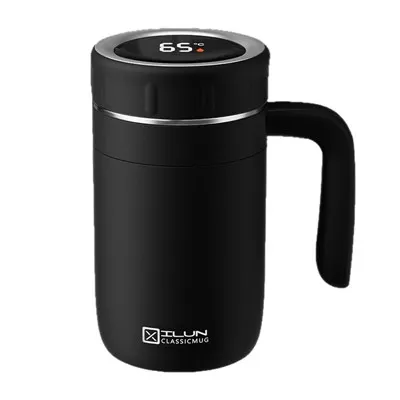
Stainless Steel Vacuum Insulated Mug If you’re in the market for high – quality stainless steel insulated flasks that offer a balance of style, functionality, and scratch resistance, we’d love to hear from you. Whether you’re a retailer looking to stock our products or an individual interested in bulk purchasing, we’re here to provide you with the best solutions. Contact us to start a discussion about your procurement needs and let’s find the perfect fit for your requirements.
References
- ASM Handbook Committee. (1990). ASM Handbook Volume 13: Corrosion. ASM International.
- Callister, W. D., & Rethwisch, D. G. (2010). Materials Science and Engineering: An Introduction. Wiley.
- Kutz, M. (2012). Handbook of Materials Selection. Elsevier.
Jiaxing Huading Vacuum Flask Technology Co., Ltd.
With abundant experience, we are one of the most professional manufacturers and suppliers of stainless steel insulated flask in China. Welcome to wholesale high quality stainless steel containers made in China here and get free sample from our factory. We also accept customized orders.
Address: No.628 Xingping First Road Pinghu Zhejiang China
E-mail: yangdongyan@gint.cc
WebSite: https://www.huadingtop.com/
