Hey there! I’m a supplier of FRP (Fiber Reinforced Polymer) profiles, and today I wanna chat about the impact resistance of these awesome products. FRP Profiles
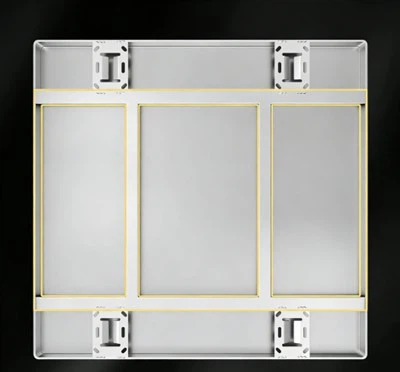
First off, let’s break down what FRP profiles are. FRP is a composite material made up of fibers (usually glass, carbon, or aramid) and a polymer matrix. The combination of these two components gives FRP profiles some really cool properties. When we talk about impact resistance, it’s all about how well these profiles can withstand sudden forces without breaking or getting seriously damaged.
You might be wondering why impact resistance matters so much. Well, in a lot of applications, FRP profiles are used in environments where they’re likely to face unexpected impacts. For example, in industrial settings, they could be in areas where equipment is moved around, and there’s a risk of things bumping into them. In transportation industries, like in the construction of train carriages or buses, the profiles need to be able to handle the jolts and shakes that come with everyday use.
So, what makes FRP profiles so good at resisting impacts? It all comes down to the materials they’re made of. The fibers in FRP act like a kind of reinforcement. Think of them as the skeleton of the profile. When an impact occurs, the fibers help to distribute the force evenly across the material. Instead of the force concentrating in one spot and causing a crack or a break, it gets spread out, which reduces the likelihood of damage.
The polymer matrix also plays a crucial role. It acts as a binder that holds the fibers together. It has some flexibility, which allows it to absorb some of the energy from the impact. This is similar to how a shock absorber in a car works. When the car hits a bump, the shock absorber takes in the energy and prevents it from being transferred directly to the car’s body. In FRP profiles, the polymer matrix does a similar job, protecting the fibers and the overall structure.
Let’s take a look at some real – world examples to see the impact resistance of FRP profiles in action. In the marine industry, FRP profiles are often used in boat construction. Boats are constantly exposed to impacts from waves, floating debris, and even collisions with other vessels. The high impact resistance of FRP profiles ensures that the boat’s structure remains intact, providing safety and durability.
In the construction of bridges, especially pedestrian or small – scale bridges, FRP profiles are becoming increasingly popular. These bridges need to be able to handle the weight of people walking, running, and even the impact from bicycles. The impact resistance of FRP profiles means that the bridges can withstand these forces over time without significant wear and tear.
Another area is the manufacturing of sports equipment. For instance, some high – end hockey sticks are made with FRP. When a player takes a hard shot or checks another player, the stick needs to be able to handle the impact. The impact resistance of FRP allows the stick to maintain its shape and performance, giving the player an edge on the ice.
Now, let’s compare FRP profiles with other common materials in terms of impact resistance. Traditional materials like steel are strong, but they can be quite heavy and prone to corrosion. Additionally, when steel experiences an impact, it can deform permanently, which might affect its functionality. On the other hand, FRP profiles are lightweight and corrosion – resistant. They also have better impact absorption properties, which means they’re less likely to deform or break under sudden forces.
Aluminum is another popular material, but it can be dented easily under impact. FRP profiles, with their superior ability to distribute and absorb energy, offer better protection against dents and cracks. This makes them a more reliable choice in applications where impact resistance is a top priority.
As a supplier, I’ve seen firsthand how the impact resistance of our FRP profiles has made a difference for our customers. We’ve had clients in the oil and gas industry who use our profiles in their offshore platforms. These platforms are exposed to harsh weather conditions, including strong winds and waves. The high impact resistance of our FRP profiles ensures that the platforms remain stable and safe, even in the most challenging environments.
In the agricultural sector, our FRP profiles are used in the construction of greenhouses. Greenhouses need to withstand the impact of hailstones, strong winds, and even accidental collisions with farming equipment. The fact that our profiles can handle these impacts means that the greenhouses last longer and require less maintenance.
Of course, the impact resistance of FRP profiles can vary depending on several factors. The type of fibers used is one of them. For example, carbon fibers are known for their high strength – to – weight ratio and can provide excellent impact resistance. Glass fibers are more commonly used and offer a good balance between cost and performance. The orientation of the fibers also matters. If the fibers are aligned in the right direction, they can better resist impacts in specific directions.
The thickness of the profile is another important factor. Thicker profiles generally have better impact resistance because they have more material to absorb and distribute the force. However, it’s also important to find the right balance between thickness and weight, especially in applications where weight is a concern.
The quality of the polymer matrix and the manufacturing process also play a role. A well – made FRP profile with a high – quality polymer matrix will have better impact resistance. At our company, we pay close attention to every step of the manufacturing process to ensure that our profiles meet the highest standards of impact resistance.
If you’re in the market for materials that can stand up to impacts, FRP profiles are definitely worth considering. Whether you’re building an industrial structure, a transportation vehicle, or a sports product, the impact resistance of these profiles can give you the peace of mind that your project will be durable and reliable.

If you’re interested in learning more about our FRP profiles or have a specific project in mind, don’t hesitate to reach out for a chat. We’re always happy to discuss your needs and find the right solutions for you. Let’s start a conversation and see how our FRP profiles can benefit your next project.
Hand Truck References:
- "Composite Materials Handbook" by various industry experts
- Research papers on fiber – reinforced polymers in leading engineering journals
Hebei Weihan Environmental Protection Equipment Co., Ltd.
We’re well-known as one of the leading FRP profiles manufacturers and suppliers in China, featured by quality products and good service. Please rest assured to buy customized FRP profiles at competitive price from our factory. Contact us for more details.
Address: No. 666 Chuangye Road, Zaoqiang County, Hengshui City, Hebei Province
E-mail: weihanmachine@gmail.com
WebSite: https://www.whanfrp.com/
