Hey there, if you’ve been hanging around automation at all lately, you’ve definitely heard the hype about cobots — collaborative robots, right? They’re the ones that aren’t just bolted behind a big metal safety cage like their industrial robot cousins; they work with teams, side by side, no massive fencing needed. And full transparency here: I’m on the cobot supplier side of things, so I’ve seen first-hand how much folks obsess over their ease of use, quick setup, and cost-savings. But if you think safety is an afterthought with these bots? Nah. That’s actually one of the trickiest, most important parts of designing and selling cobot systems. Let’s break down the real security aspects that matter when you’re rolling one out on your shop floor. Cobot
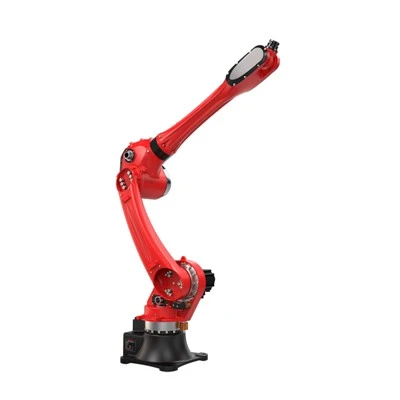
First off, let’s get one thing straight: cobot security isn’t just “making sure the robot doesn’t drop a part on someone’s foot.” It’s layered, covers physical safety, digital stuff too — because these robots connect to your Wi-Fi, your warehouse management software, your CNC machines, all that gear. If you skip a layer, you’re leaving gaps that could mess up production, or worse, hurt someone. Let’s start with the most obvious stuff everyone talks about first: physical collaborative safety, which is the whole reason cobots exist in the first place, but it’s not just a single setting.
You know those “force limitation” features cobots advertise? That’s core ISO 10218-1 and -2 stuff, right? The standard for robot safety. Industrial robots move super fast and with tons of force — a 100kg robot arm swinging at full speed could crack a rib if you got in its way. Cobots dial that way back, but it’s not a one-size-fits-all setting. Like, if you’re using a cobot to lift a heavy 25kg metal component versus a tiny 5g electronic part, you need to adjust the force limit mid-task, and that has to be secure. Wait, secure how? If some random employee could just jack the force up to max and the bot slams into someone, that’s a problem. So we build in role-based access controls (RBAC) — only team leads or maintenance techs can adjust those high-force settings, not the new hire packing parts. That’s a security angle a lot of people miss; it’s not just the robot’s physical load, it’s who can change that load, and when.
Then there’s speed and separation monitoring. Some cobots don’t even use force limitation — they use sensors, like 3D cameras or laser scanners, that track where people are on the floor. If someone walks too close, the bot slows down, then stops. But here’s the catch: those sensors need to be secured too. If a hacker disabled that sensor feed from their laptop on the shop floor, the bot would keep moving full speed right into someone. As a supplier, we’ve had clients ask, “Can we lock the sensor’s network settings so no one can mess with that?” Absolutely. We don’t just leave those camera feeds wide open to the local Wi-Fi; we segment the cobot’s network from the general shop floor network, use encrypted communication between the sensors and the bot’s controller. If someone tries to tamper with the sensor data, the bot gets an immediate alert and locks down until a tech can check it out. That’s physical and digital security overlapping, which is where most cobot gaps pop up.
Now, let’s talk about the digital side of cobots — because these are computers, basically. They run on software, use apps, save task programs, connect to the cloud for updates or data tracking. That’s a huge security area no one was really talking about when cobots first blew up a decade ago. Early cobots had super basic software, no cloud connectivity, minimal interfaces. Now? You can program a cobot from your phone, pull task data to analyze efficiency, update its features over Wi-Fi. That’s awesome for convenience, but it opens up attack vectors.
First, program security. If a cobot’s task is “pick up a box from conveyor A, drop it at station B,” that program is just code saved on the controller. What if someone with access to the bot’s programming laptop alters that code to instead dump boxes on the floor, or move to a dangerous area? We build in program validation — every time a task is uploaded to the cobot, it runs a quick safety check: does this movement exceed allowed force? Does it head towards any restricted zones we set? And again, who’s uploading it? Only authorized users can save or edit master programs, no random person plugging a USB drive into the controller and messing with stuff. We also use encrypted program storage, so if someone tries to snoop on the code, it’s unreadable without the right key.
Then there’s cloud and network security. A lot of our clients use our cobot’s cloud portal to track how many cycles the bot’s done, check for maintenance needs, tweak tasks remotely. But if that portal had a weak password, a hacker could log in, change a task, or even take the bot offline entirely. We enforce multi-factor authentication (MFA) for all cloud and remote access to our cobot systems, not just a password. We also do regular security patches on the bot’s software — wait, a lot of old industrial robots take forever to update, right? Their owners wait months, even years, to install patches. Cobots, because they’re connected, let us push small, secure updates automatically (but with admin approval, of course) to fix any vulnerabilities that pop up, so you don’t have to wait weeks to plug a gap. We also never store sensitive client data — like their production schedules, part designs — on our cloud servers, only the necessary telemetry to keep the bot running. That way, if someone hacks our cloud, they don’t get access to their proprietary stuff.
Don’t forget about edge cases, though. Like, what if the power goes out? A lot of cobot systems have backup batteries, but what if that battery is faulty, and when the power cuts, the bot slams into something because it doesn’t have enough force to slow down? That’s a physical safety issue, but it’s also a system security issue — the backup power needs regular checks, and the bot’s software should log any battery issues so a tech can replace it before it fails. We include that logging as part of the system’s security suite; clients get alerts if any component (batteries, sensors, controllers) is acting up, so downtime and accidents are avoided.
Another big one: human error is still the biggest security risk, more than hackers. I’ve seen so many small businesses get a cobot, set it up, then forget to train their team on the security settings. Like, they leave the force limits at max because the first test worked, or they don’t lock the network settings, and a new employee accidentally walks into the bot’s work zone while it’s moving. As a cobot supplier, we don’t just sell you a bot and walk away — we do hands-on training for your whole team, from the floor staff who work with the cobot every day to your maintenance guys. We teach them how to adjust settings safely, how to spot if a sensor is acting weird, how to use the RBAC system so only the right people change critical settings. That’s part of the security package, not an add-on.
Wait, let’s also address a common myth: people think cobots are more secure than industrial robots because they’re smaller and slower, but that’s not true. A small cobot moving fast can still hurt someone, and the digital gaps are just as risky. Last year, we had a client who skipped our extra security layers — they used a basic off-the-shelf cobot, didn’t segment their network, didn’t lock the programming. A disgruntled employee with access to the shop floor logged into the cobot’s controller from their laptop, altered a bin-picking program, so the bot would knock heavy bins off the conveyor. It didn’t hurt anyone, but it cost them $12k in downtime and damaged parts. That’s why we push all our clients to take the security features seriously, not just the “cool” automation stuff.
What about future security, too? As cobots get smarter, with AI-powered vision and machine learning to adjust tasks on the fly, those systems have more data, which means more security needs. We’re working on adding anomaly detection — the cobot’s software can spot if its movements are off, if a sensor is giving bad data, if someone is tampering with the interface, and it locks down immediately. It’s not just pre-set safety rules anymore; it’s the bot itself monitoring for security issues in real time. That’s the next level of cobot security, and we’re rolling that out to all our new systems in the next few months.
Now, let’s be real — security shouldn’t be a barrier to getting a cobot. A lot of small to mid-sized manufacturers hold back because they hear “security” and think it’s super complicated and expensive. But our cobot systems are built with security baked in, not bolted on. The RBAC, network segmentation, encrypted programming, training — all that is part of the package, not a $5k add-on. We price it transparently because we know safety isn’t something you should nickel-and-dime for.
If you’re thinking about adding a cobot to your shop floor, don’t just ask “how much does it cost to lift X parts?” or “how fast can it work?” Ask about the security layers. Who can change the settings? How do you keep the digital stuff safe? What kind of training do you provide? Those are the questions that will save you from accidents, downtime, and headaches down the line.
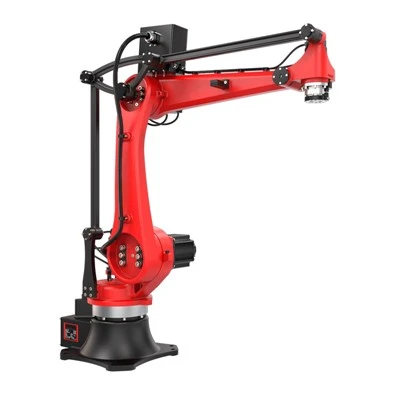
At the end of the day, cobots are supposed to make your team’s jobs easier, not put them at risk. Security is what makes that possible. We don’t just build robots — we build systems that work for your people, safely. If you’re ready to chat about how a cobot can fit your workflow, and how our security features can keep your team and your production running smoothly, reach out. We’d love to walk you through our setup, answer all your questions, and make sure you get exactly what you need.
Industrial Robot References
ISO 10218-1:2011, Robots and robotic devices — Safety requirements for industrial robots — Part 1: Robots
ISO 10218-2:2011, Robots and robotic devices — Safety requirements for industrial robots — Part 2: Robot systems and integration
International Organization for Standardization. (2021). Collaborative Robot Safety: A Practical Guide for Manufacturers.
Robotic Industries Association. (2022). Cybersecurity Best Practices for Collaborative Robot Systems.
Robotic Technology (GD) Co., Ltd.
Robotic Technology (GD) Co., Ltd. is one of the most experienced cobot manufacturers and suppliers in China, also supports custom service and one year warranty. Please feel free to wholesale CE approved cobot for sale here from our factory. Contact us for quotation.
Address: Room 102, No. 30,Hengfeng 2nd Road,Daguo, Changping Town, Dongguan City,Guangdong,China
E-mail: admin@iroboticplus.com
WebSite: https://www.rb-tic.com/
