Can U – PVC fittings be used in industrial applications? U-PVC Fittings
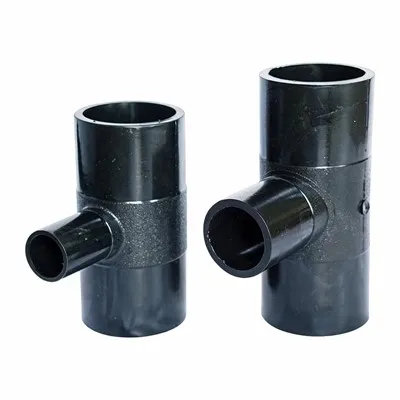
As a supplier of U – PVC fittings, I’ve often been asked whether these fittings are suitable for industrial applications. In this blog, I’ll delve into the characteristics of U – PVC fittings, evaluate their viability in industrial settings, and share some insights based on my experience in the industry.
Understanding U – PVC Fittings
U – PVC, or unplasticized polyvinyl chloride, is a rigid form of PVC. It is known for its high strength, durability, and chemical resistance. U – PVC fittings are made from this material and are commonly used in various plumbing and piping systems. They come in a wide range of shapes and sizes, including elbows, tees, couplings, and adapters, which allow for flexible installation and connection of pipes.
One of the key advantages of U – PVC fittings is their cost – effectiveness. Compared to other materials such as metal or stainless steel, U – PVC is relatively inexpensive to produce. This makes it an attractive option for large – scale projects where cost is a significant factor. Additionally, U – PVC is lightweight, which simplifies transportation and installation, reducing labor costs.
Chemical Resistance
In industrial applications, chemical resistance is of utmost importance. U – PVC fittings exhibit excellent resistance to a wide variety of chemicals, including acids, alkalis, and salts. This makes them suitable for use in industries such as chemical processing, water treatment, and food and beverage manufacturing.
For example, in a chemical processing plant, U – PVC pipes and fittings can be used to transport corrosive chemicals without the risk of degradation. The chemical resistance of U – PVC ensures that the fittings maintain their integrity over time, reducing the need for frequent replacements and minimizing downtime.
However, it’s important to note that U – PVC has its limitations when it comes to chemical resistance. Some solvents and certain organic compounds can cause swelling or cracking of U – PVC. Therefore, it’s crucial to carefully assess the chemical compatibility of U – PVC fittings with the substances they will come into contact with in an industrial environment.
Pressure and Temperature Resistance
Another critical factor in industrial applications is the ability of the fittings to withstand pressure and temperature variations. U – PVC fittings are designed to handle a certain range of pressures and temperatures.
In general, U – PVC can withstand moderate pressures. For low – to medium – pressure applications, such as water supply systems in industrial facilities, U – PVC fittings are a reliable choice. However, in high – pressure applications, such as hydraulic systems or steam pipelines, U – PVC may not be suitable. The material can deform or fail under high pressure, leading to leaks or system failures.
Regarding temperature, U – PVC has a relatively limited temperature range. It performs well at temperatures between 0°C and 60°C. Beyond this range, the material can become brittle or lose its strength. In industrial processes where high temperatures are involved, such as in some manufacturing operations or power generation, alternative materials may be required.
Installation and Maintenance
U – PVC fittings are relatively easy to install. They can be joined using solvent cement, which creates a strong and leak – proof bond. The installation process is straightforward and does not require specialized tools or skills, making it accessible to a wide range of installers.
In terms of maintenance, U – PVC fittings are low – maintenance. They do not rust or corrode like metal fittings, which reduces the need for regular inspections and repairs. However, it’s still important to conduct periodic checks to ensure that the fittings are in good condition and to detect any signs of damage or wear.
Case Studies
To illustrate the use of U – PVC fittings in industrial applications, let’s look at a few case studies.
In a water treatment plant, U – PVC pipes and fittings were used to construct the piping system for the distribution of treated water. The chemical resistance of U – PVC ensured that the fittings could withstand the various chemicals used in the treatment process, such as chlorine and sulfuric acid. The lightweight nature of U – PVC made the installation process quicker and more cost – effective. Over several years of operation, the U – PVC fittings have shown no signs of significant wear or damage, providing a reliable and long – lasting solution.
In a food and beverage manufacturing facility, U – PVC fittings were used in the plumbing system for the transfer of water and other liquids. The smooth interior surface of U – PVC pipes prevents the accumulation of debris and bacteria, making it suitable for use in a hygienic environment. The fittings were easy to install and maintain, and they met the strict quality and safety standards of the industry.
Limitations and Considerations
While U – PVC fittings have many advantages, there are also some limitations and considerations that need to be taken into account when using them in industrial applications.
As mentioned earlier, the pressure and temperature limitations of U – PVC can be a significant drawback in certain industrial settings. Additionally, U – PVC is not suitable for applications where it will be exposed to direct sunlight for extended periods. Ultraviolet (UV) radiation can cause the material to degrade, leading to discoloration and reduced strength.
In some industrial processes, the mechanical properties of U – PVC may not be sufficient. For example, in applications where there is a high risk of impact or vibration, U – PVC fittings may be more prone to damage compared to metal fittings.
Conclusion
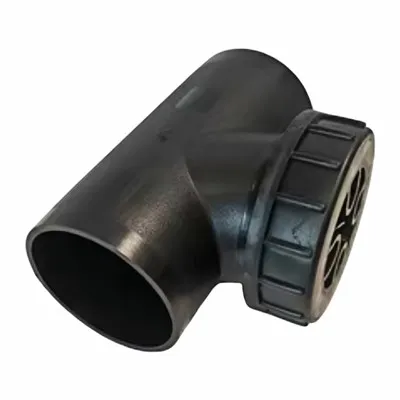
In conclusion, U – PVC fittings can be used in many industrial applications, especially those that require chemical resistance, cost – effectiveness, and ease of installation. However, it’s essential to carefully evaluate the specific requirements of each industrial project, including pressure, temperature, and chemical compatibility.
Electrofusion Fittings If you’re considering using U – PVC fittings in your industrial application, I’d be more than happy to discuss your needs in detail. Our team of experts can provide you with professional advice on the selection and installation of U – PVC fittings to ensure that you get the best solution for your project. Contact us to start a procurement discussion and explore how our U – PVC fittings can meet your industrial requirements.
References
- ASTM International. (Year). Standard Specification for Rigid Poly (Vinyl Chloride) (PVC) Plastic Pipe and Fittings.
- American Water Works Association. (Year). Manual of Water Supply Practices: M23 – PVC Pipe—Design and Installation.
- European Committee for Standardization. (Year). EN 1451 – 1:2009 Plastics piping systems for non – pressure underground drainage and sewerage. Unplasticized poly (vinyl chloride) (PVC – U). Specifications for pipes, fittings and the system.
Qingdao Polyfusion Machinery Co., Ltd.
As one of the most professional U-PVC fittings manufacturers and suppliers in China, we have world-leading production equipment and strong manufacturing capabilities. Please feel free to buy bulk high quality U-PVC fittings from our factory.
Address: Chengyang Industry Zone, Chengyang, Qingdao, Shandong, China
E-mail: export01@qdpolyfusion.com
WebSite: https://www.polyfusionfittings.com/
