Hey there! I’m a supplier of antistatic additives, and today I wanna chat about whether these additives can be used in electronic products. It’s a question I get a lot, and I’m excited to share some insights. Antistatic Additives

First off, let’s talk about what static electricity is and why it’s a big deal in the world of electronics. Static electricity is basically an imbalance of electric charges within or on the surface of a material. When two materials come into contact and then separate, electrons can be transferred, leaving one material positively charged and the other negatively charged. This charge can build up over time, and when the right conditions are met, it can discharge in a sudden burst of electricity.
In electronic products, static electricity can cause all sorts of problems. It can damage sensitive electronic components, like integrated circuits, transistors, and microprocessors. A single static discharge can fry these components, rendering the entire device useless. Static can also attract dust and other particles, which can clog up vents and fans, overheat the device, and reduce its lifespan. Plus, it can cause interference in the electrical signals, leading to malfunctions and errors.
So, where do antistatic additives come in? Antistatic additives are substances that are added to materials to reduce or eliminate the buildup of static electricity. They work in a few different ways. Some additives contain conductive materials, like carbon or metal particles, which allow the static charge to flow through the material and dissipate into the environment. Others work by attracting moisture from the air, which forms a thin layer of water on the surface of the material. This layer of water conducts electricity, helping to neutralize the static charge.
There are several types of antistatic additives, including migrating and non-migrating additives. Migrating additives work their way to the surface of the material over time, where they create a thin film that helps to dissipate static electricity. Non-migrating additives, on the other hand, are evenly distributed throughout the material and provide long-lasting static protection.
Now, back to the question: Can antistatic additives be used in electronic products? The answer is a resounding yes! In fact, they’re used in a wide variety of electronic applications.
Let’s start with plastic components. A lot of electronic devices have plastic parts, like casings, buttons, and connectors. Plastic is a great insulator, which means it’s prone to static buildup. By adding antistatic additives to the plastic during the manufacturing process, manufacturers can prevent static from accumulating on the surface of the parts. This not only protects the internal components from static damage but also makes the device less likely to attract dust.
Take mobile phones, for example. The plastic casing of a phone can easily build up a static charge when you handle it. This static can attract lint and dust, making the phone look dirty and potentially causing problems with the internal components. By using antistatic additives in the plastic casing, phone manufacturers can keep the phones cleaner and protect them from static-related issues.
Another area where antistatic additives are widely used is in packaging materials for electronics. When electronic components are shipped or stored, they need to be protected from static damage. Antistatic additives can be added to packaging materials like plastic bags, foam inserts, and cardboard boxes. These additives help to prevent static from building up on the surface of the packaging, which in turn protects the delicate electronic components inside.
For instance, if you’ve ever bought a new computer component, like a graphics card or a hard drive, it probably came in an antistatic bag. These bags are made from a plastic material that has been treated with antistatic additives. The additives help to dissipate any static charge that might build up on the bag, keeping the component safe during shipping and storage.
Antistatic additives are also used in printed circuit boards (PCBs). PCBs are the backbone of electronic devices, and they’re extremely sensitive to static electricity. A single static discharge can damage the traces and components on a PCB, causing the device to malfunction. By using antistatic coatings or additives on the PCB, manufacturers can protect it from static damage.
Some PCBs are coated with an antistatic lacquer or paint that contains conductive additives. This coating helps to dissipate any static charge that might come into contact with the PCB, keeping it safe and functioning properly.
But it’s not all smooth sailing when it comes to using antistatic additives in electronics. There are a few challenges that need to be considered.
One challenge is compatibility. Different electronic materials have different chemical properties, and not all antistatic additives are compatible with all materials. For example, some additives might react with certain plastics or metals, causing discoloration or other problems. It’s important to choose an antistatic additive that is compatible with the specific materials used in the electronic product.
Another challenge is performance over time. In some cases, the effectiveness of antistatic additives can decrease over time. This can happen if the additive migrates out of the material or if it is damaged by environmental factors, like heat, humidity, or UV light. To ensure long-lasting static protection, it’s important to choose an additive that is stable and durable.
Cost is also a factor. Antistatic additives can add to the cost of manufacturing electronic products. However, when you consider the cost of replacing damaged components or dealing with product failures due to static electricity, the investment in antistatic additives can often be justified.
In conclusion, antistatic additives are a valuable tool for protecting electronic products from static electricity. They can be used in a wide range of applications, from plastic components and packaging materials to printed circuit boards. While there are some challenges to using these additives, the benefits far outweigh the drawbacks.
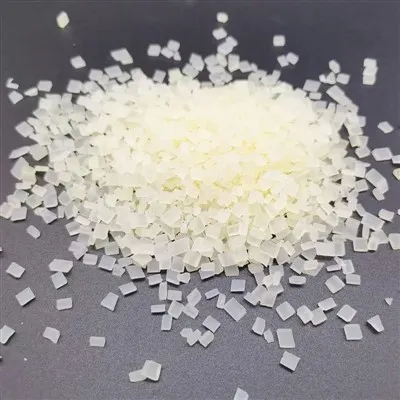
If you’re in the business of making electronic products and you’re looking for reliable antistatic solutions, I’d love to talk to you. Whether you need help choosing the right additive for your specific application or you’re interested in learning more about the latest antistatic technologies, I’m here to assist. Drop me a line, and let’s start a conversation about how we can work together to keep your electronics safe from static.
Conductive Polymer References
- "Handbook of Antistatic Polymers" by Ashish K. Naskar
- "Electrostatics in the Electronics Industry" by Franklin D. James
Jiangxi Sugo Advanced Materials Co., Ltd.
With abundant experience, we are one of the most professional antistatic additives manufacturers in China. Please feel free to buy high quality antistatic additives in stock here and get free sample from our factory. We also accept customized orders.
Address: 1st Fugong Rd, Futian Industrial Park, Dingnan, Ganzhou City, Jiangxi Prov., R.P.C 341900
E-mail: EILEEN@SUGOPLAS.COM
WebSite: https://www.sugo-esd.com/
