As a supplier of low-voltage switchgear, I understand the critical role that thermal management plays in ensuring the reliable and efficient operation of our products. Low-voltage switchgear is used in a wide range of applications, from industrial plants to commercial buildings, and it is essential to maintain optimal operating temperatures to prevent equipment failure and ensure safety. In this blog post, I will discuss the various thermal management strategies that we employ in our low-voltage switchgear to ensure reliable performance. Low-Voltage Switchgear

Understanding the Thermal Challenges in Low-Voltage Switchgear
Before delving into the thermal management strategies, it is important to understand the sources of heat generation in low-voltage switchgear. The primary sources of heat in switchgear are the electrical components themselves, such as circuit breakers, contactors, and busbars. When current flows through these components, electrical resistance causes heat to be generated. Additionally, the operation of electromagnetic devices, such as relays and solenoids, can also contribute to heat generation.
Excessive heat can have several detrimental effects on low-voltage switchgear. It can reduce the lifespan of electrical components, increase the risk of electrical arcing, and compromise the insulation properties of the materials used in the switchgear. Moreover, high temperatures can lead to thermal expansion, which can cause mechanical stress on the components and potentially result in equipment failure.
Thermal Management Strategies
1. Natural Convection Cooling
One of the simplest and most cost-effective thermal management strategies is natural convection cooling. This method relies on the natural movement of air to dissipate heat from the switchgear. In a switchgear enclosure, heat is transferred from the hot components to the surrounding air by conduction. The heated air then rises, creating a natural airflow that carries the heat out of the enclosure through vents or openings at the top.
To optimize natural convection cooling, we design our switchgear enclosures with proper ventilation paths. We ensure that there is sufficient space between the components to allow for the free flow of air. Additionally, we use materials with high thermal conductivity in the enclosure design to enhance heat transfer.
However, natural convection cooling has its limitations. It is only effective for relatively low heat loads and in environments with moderate ambient temperatures. In high-power applications or hot environments, natural convection may not be sufficient to maintain the required operating temperatures.
2. Forced Air Cooling
For applications with higher heat loads, forced air cooling is often employed. This strategy uses fans to blow air through the switchgear enclosure, increasing the rate of heat transfer and improving cooling efficiency. We typically install fans at the intake and exhaust ports of the enclosure to create a forced airflow.
Forced air cooling offers several advantages over natural convection cooling. It can remove larger amounts of heat in a shorter period of time, allowing the switchgear to operate at higher power levels. It also provides more consistent cooling, reducing the risk of hot spots within the enclosure.
When designing a forced air cooling system, we carefully select the fans based on the heat load and the size of the enclosure. We also ensure that the airflow is properly distributed throughout the enclosure to ensure uniform cooling of all components. Additionally, we use filters to prevent dust and debris from entering the enclosure, which can accumulate on the components and reduce their cooling efficiency.
3. Heat Sinks
Heat sinks are another important thermal management component in low-voltage switchgear. A heat sink is a passive device that absorbs and dissipates heat from a hot component, such as a power semiconductor or a circuit breaker. Heat sinks are typically made of materials with high thermal conductivity, such as aluminum or copper, and they have a large surface area to enhance heat transfer.
We use heat sinks in our switchgear to cool high-power components that generate significant amounts of heat. The heat sink is attached to the component using a thermal interface material, such as thermal paste or a thermal pad, to ensure good thermal contact. The heat is then transferred from the component to the heat sink by conduction and dissipated into the surrounding air by convection.
In addition to traditional heat sinks, we also use advanced heat sink designs, such as finned heat sinks or liquid-cooled heat sinks, for applications with extremely high heat loads. These designs offer enhanced cooling performance and can be customized to meet the specific requirements of the application.
4. Thermal Insulation
Thermal insulation is an important aspect of thermal management in low-voltage switchgear. Insulation materials are used to reduce heat transfer between the hot components and the surrounding environment, as well as to prevent heat from escaping from the enclosure.
We use high-quality insulation materials in our switchgear enclosures to minimize heat loss and maintain a stable internal temperature. These materials have low thermal conductivity and can effectively block the transfer of heat. Additionally, we ensure that the insulation is properly installed and sealed to prevent air leakage, which can reduce its effectiveness.
Thermal insulation also plays a role in protecting the switchgear from external heat sources, such as sunlight or nearby equipment. By reducing the amount of heat that enters the enclosure, we can reduce the cooling requirements and improve the overall energy efficiency of the switchgear.
5. Thermal Monitoring and Control
To ensure the effective operation of the thermal management system, we incorporate thermal monitoring and control features in our low-voltage switchgear. Temperature sensors are installed at critical points within the enclosure to monitor the temperature of the components and the ambient air.
The temperature data is then transmitted to a control system, which can adjust the cooling system based on the temperature readings. For example, if the temperature of a component exceeds a predefined threshold, the control system can increase the speed of the fans or activate additional cooling devices.
Thermal monitoring and control also allow us to detect potential issues early and take preventive measures to avoid equipment failure. By continuously monitoring the temperature, we can identify trends or anomalies that may indicate a problem, such as a blocked ventilation path or a malfunctioning cooling device.
Conclusion
Thermal management is a crucial aspect of low-voltage switchgear design and operation. By employing a combination of natural convection cooling, forced air cooling, heat sinks, thermal insulation, and thermal monitoring and control, we can ensure that our switchgear operates at optimal temperatures, reducing the risk of equipment failure and ensuring reliable performance.
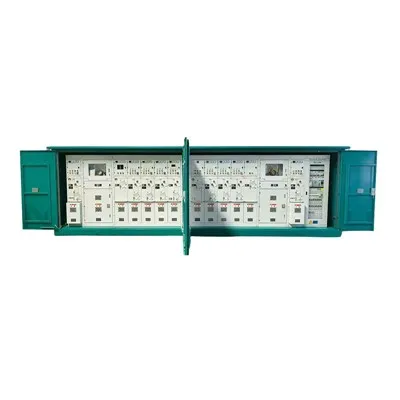
As a supplier of low-voltage switchgear, we are committed to providing our customers with high-quality products that are designed to meet their specific thermal management requirements. Our team of engineers and technicians has extensive experience in designing and implementing thermal management solutions, and we use the latest technologies and materials to ensure the best possible performance.
High-Voltage Switchgear If you are in the market for low-voltage switchgear and have specific thermal management needs, we would be happy to discuss your requirements with you. Our experts can provide you with detailed information about our products and services, and help you select the best solution for your application. Contact us today to start the conversation and take the first step towards a reliable and efficient low-voltage switchgear system.
References
- ASHRAE Handbook – HVAC Systems and Equipment. American Society of Heating, Refrigerating and Air-Conditioning Engineers.
- Electrical Power Systems Technology. Stephen W. Fardo.
- Low-Voltage Switchgear and Controlgear Assemblies – IEC 61439 Standards. International Electrotechnical Commission.
Jiangxi Yihong Electric Power Technology Co., Ltd.
As one of the most experienced low-voltage switchgear manufacturers and suppliers in China, we also support customized service. We warmly welcome you to buy high quality low-voltage switchgear from our factory. If you have any enquiry about pricelist, please feel free to email us.
Address: Chating Industrial Park, Guangxin District, Shangrao City, Jiangxi Province
E-mail: 15779933057@163.com
WebSite: https://www.yihcn.com/
