As a supplier of LV (Low Voltage) Distribution Boards, I understand the critical importance of safety precautions when it comes to these electrical systems. LV Distribution Boards play a pivotal role in distributing electrical power within buildings, industrial facilities, and various other settings. Ensuring their safe operation is not only a matter of regulatory compliance but also a fundamental responsibility to protect lives and property. In this blog, I will delve into the key safety precautions that should be taken when dealing with LV Distribution Boards. Lv Distribution Board
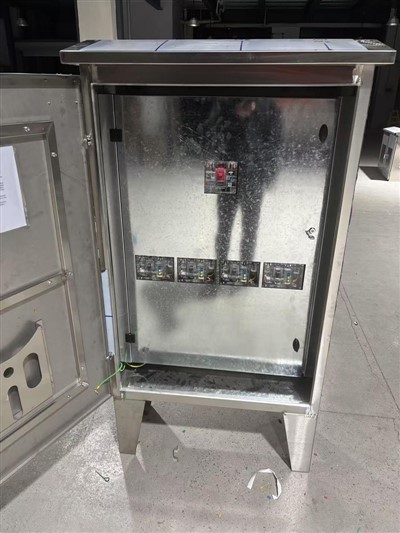
1. Installation Safety
- Qualified Installation Team: The installation of an LV Distribution Board should be carried out by a team of qualified and experienced electricians. These professionals should have a thorough understanding of electrical codes and standards, as well as the specific requirements of the LV Distribution Board being installed. They should be able to read and interpret electrical diagrams, select the appropriate cables and conductors, and ensure proper grounding and bonding.
- Proper Location Selection: The location of the LV Distribution Board is crucial for its safe operation. It should be installed in a well-ventilated area that is free from moisture, dust, and other contaminants. The area should also be easily accessible for maintenance and inspection. Avoid installing the board in areas where it may be exposed to physical damage, such as near heavy machinery or in high-traffic areas.
- Compliance with Electrical Codes: During installation, it is essential to comply with all relevant electrical codes and standards. These codes are designed to ensure the safe installation and operation of electrical systems, including LV Distribution Boards. They cover aspects such as the sizing of conductors, the installation of overcurrent protection devices, and the grounding and bonding requirements. Failure to comply with these codes can result in electrical hazards, such as short circuits, electrical fires, and electric shocks.
2. Routine Maintenance
- Regular Inspections: Regular inspections of the LV Distribution Board are necessary to detect any potential problems early. These inspections should include a visual check of the board for signs of damage, such as loose connections, corrosion, or overheating. The inspector should also check the operation of the overcurrent protection devices, such as circuit breakers and fuses, to ensure they are functioning properly.
- Cleaning and Dust Removal: Dust and dirt can accumulate on the components of the LV Distribution Board over time, which can affect their performance and increase the risk of electrical problems. Regular cleaning of the board using a soft brush or compressed air can help remove this dust and dirt. However, care should be taken to avoid damaging any of the components during the cleaning process.
- Tightening of Connections: Loose connections can cause overheating, arcing, and other electrical problems. As part of routine maintenance, all connections in the LV Distribution Board should be checked and tightened if necessary. This includes the connections between the conductors, the terminals, and the busbars.
3. Overcurrent Protection
- Proper Sizing of Circuit Breakers and Fuses: Circuit breakers and fuses are essential overcurrent protection devices in an LV Distribution Board. They are designed to automatically interrupt the flow of electricity in the event of an overcurrent or short circuit, thereby protecting the electrical system and the connected equipment. It is crucial to select the correct size of circuit breakers and fuses based on the load requirements of the circuit. Using undersized devices can result in frequent tripping, while oversized devices may not provide adequate protection.
- Regular Testing of Overcurrent Protection Devices: In addition to proper sizing, the overcurrent protection devices should be regularly tested to ensure they are functioning correctly. This can be done using specialized testing equipment, such as circuit breaker testers and fuse testers. The testing should be carried out at least annually, or more frequently if the board is subjected to heavy loads or frequent cycling.
4. Grounding and Bonding
- Effective Grounding System: A proper grounding system is essential for the safe operation of an LV Distribution Board. It provides a path for electrical current to flow safely to the ground in the event of a fault, such as a short circuit or an electrical shock. The grounding system should include a grounding electrode, such as a ground rod or a grounding grid, which is connected to the frame of the distribution board and all of its electrical components.
- Bonding of Conductive Parts: Bonding is the process of connecting all conductive parts of the LV Distribution Board together to ensure they are at the same electrical potential. This helps prevent the buildup of static electricity and reduces the risk of electrical shocks. All metal enclosures, busbars, and other conductive parts of the board should be bonded together using appropriate bonding conductors.
5. Personal Protective Equipment (PPE)
- Use of Appropriate PPE: When working on or near an LV Distribution Board, it is important to wear appropriate personal protective equipment (PPE). This includes safety glasses, gloves, and flame-resistant clothing. The PPE should be selected based on the specific tasks being performed and the potential hazards involved. For example, when working with live electrical components, insulated gloves and tools should be used to prevent electric shocks.
- Training on PPE Usage: In addition to providing the appropriate PPE, employees should be trained on how to properly use and maintain it. This includes understanding the limitations of the PPE, how to inspect it for damage, and how to store it correctly. Regular training sessions should be conducted to ensure employees are up-to-date on the latest safety procedures and the proper use of PPE.
6. Electrical Isolation
- Proper Isolation Procedures: Before performing any maintenance or repair work on an LV Distribution Board, it is essential to isolate the board from the electrical supply. This involves turning off the main circuit breaker or disconnecting the power supply at the source. All relevant circuit breakers and switches should be locked out and tagged to prevent accidental energization of the board.
- Verification of Isolation: After isolating the board, it is important to verify that the power has been completely disconnected. This can be done using a voltage tester or other appropriate testing equipment. Only after verifying that the board is de-energized should any work be carried out on it.
7. Temperature Monitoring
- Installing Temperature Sensors: Monitoring the temperature of the LV Distribution Board and its components is an important safety precaution. High temperatures can indicate overloading, loose connections, or other electrical problems. Temperature sensors can be installed in strategic locations within the board to continuously monitor the temperature. These sensors can be connected to an alarm system that will alert operators if the temperature exceeds a pre-set limit.
- Regular Temperature Checks: In addition to using temperature sensors, regular manual temperature checks can also be carried out using an infrared thermometer. This can help detect any hot spots or abnormal temperature variations that may not be detected by the sensors.
8. Documentation and Record-Keeping
- Maintaining Installation and Maintenance Records: Keeping accurate records of the installation, maintenance, and testing of the LV Distribution Board is essential for safety and compliance. These records should include details such as the date of installation, the type and size of the components used, the results of any inspections and tests, and any maintenance or repair work carried out. The records should be kept in a safe and accessible location and should be updated regularly.
- Providing Documentation to Customers: As an LV Distribution Board supplier, it is important to provide customers with all the necessary documentation, including installation manuals, operation and maintenance instructions, and safety data sheets. This documentation should be clear and easy to understand and should provide customers with the information they need to safely install, operate, and maintain the LV Distribution Board.
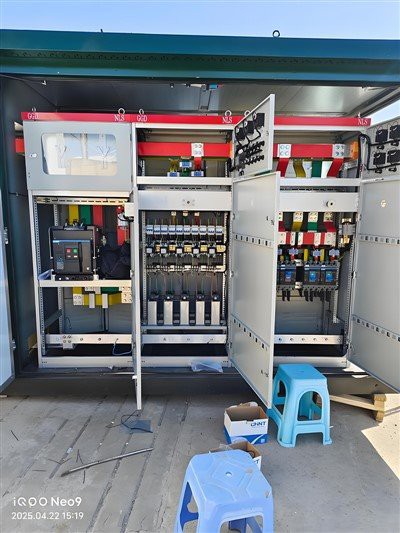
In conclusion, implementing these safety precautions is essential for the safe operation of LV Distribution Boards. As a supplier, I am committed to providing high-quality products and ensuring that our customers are aware of the importance of safety. We also offer comprehensive support and training to help our customers maintain and operate their LV Distribution Boards safely and efficiently.
Distribution Box If you are in the market for an LV Distribution Board and are looking for a reliable supplier, feel free to contact us to discuss your specific requirements. We are dedicated to providing the best solutions for your electrical distribution needs and ensuring the safety of your electrical systems.
References
- National Electrical Code (NEC)
- International Electrotechnical Commission (IEC) standards
- Electrical Safety Foundation International (ESFI) publications
Anhui Nanxian Electric Co., Ltd.
With abundant experience, we are one of the most professional lv distribution board manufacturers and suppliers in China. We warmly welcome you to buy advanced lv distribution board for sale here and get quotation from our factory. All customized products are with high quality and low price.
Address: Factory Unit 03-2, Building 21, Feidong Yinfeng Industrial Park Co., Ltd., Northeast Corner of Manquan Road and Changle Road, Hefei Circular Economy Demonstration Park, Feidong County, Hefei City, Anhui Province.
E-mail: 541580567@qq.com
WebSite: https://www.nxelepower.com/
