As a supplier of Energy Recovery Ventilators (ERVs), I’ve witnessed firsthand how these innovative devices significantly enhance the comfort and efficiency of buildings. ERVs are not just another addition to a building’s HVAC system; they are a revolutionary solution that transforms the indoor environment. In this blog, I’ll explore how an ERV affects the comfort level in a building, delving into the science behind it and sharing real – world benefits. Energy Recovery Ventilator
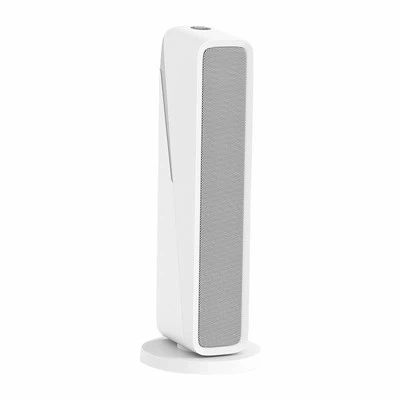
Understanding Energy Recovery Ventilators
Before we discuss the impact on comfort, let’s understand what an ERV is. An Energy Recovery Ventilator is a ventilation system that exchanges stale indoor air with fresh outdoor air while recovering energy from the outgoing air. Essentially, it helps to balance the energy transfer between the building’s interior and the outside, which is crucial for maintaining a stable indoor environment.
An ERV consists of a heat exchanger core, fans, and a control system. The heat exchanger is the heart of the device, transferring heat and moisture between the incoming and outgoing air streams. This process ensures that the incoming fresh air is pre – conditioned, reducing the load on the building’s heating and cooling systems.
Temperature Regulation
One of the most significant ways an ERV affects comfort is through temperature regulation. In extreme weather conditions, it can be challenging to maintain a comfortable indoor temperature. During the winter, cold outdoor air can quickly cool down the interior of a building, while in the summer, hot outdoor air can make the indoor environment stuffy.
An ERV mitigates these issues by pre – heating or pre – cooling the incoming air. In winter, the heat exchanger transfers heat from the warm outgoing air to the cold incoming air. As a result, the fresh air entering the building is warmer, reducing the need for the heating system to work overtime. This not only keeps the indoor temperature stable but also helps to lower energy consumption.
In summer, the process is reversed. The heat exchanger transfers heat from the hot incoming air to the cooler outgoing air. This pre – cooled fresh air is then introduced into the building, taking some of the load off the air – conditioning system. The result is a more comfortable indoor temperature without the constant fluctuations that can make occupants feel uncomfortable.
Humidity Control
Humidity is another crucial factor in indoor comfort. High humidity levels can make a room feel sticky and uncomfortable, while low humidity can cause dry skin, irritated eyes, and respiratory problems. An ERV plays a vital role in maintaining optimal humidity levels.
In the winter, indoor air tends to be dry, especially when the heating system is running. The ERV’s heat exchanger can transfer moisture from the outgoing air to the incoming air, increasing the humidity of the fresh air entering the building. This helps to alleviate dryness and create a more comfortable living or working environment.
Conversely, in the summer, outdoor air is often humid. The ERV can remove excess moisture from the incoming air by transferring it to the outgoing air. By maintaining a balanced humidity level, the ERV helps to prevent the growth of mold and mildew, which can not only damage the building structure but also pose health risks to occupants.
Air Quality Improvement
Good air quality is essential for comfort and health. Stale indoor air can contain pollutants such as dust, pollen, volatile organic compounds (VOCs), and carbon dioxide. These pollutants can cause respiratory problems, allergies, and other health issues, as well as make the indoor environment feel unpleasant.
An ERV constantly replaces stale indoor air with fresh outdoor air. This continuous ventilation helps to dilute and remove pollutants from the building. The heat exchanger in the ERV also acts as a filter to some extent, capturing larger particles in the air streams.
Moreover, the balanced ventilation provided by the ERV ensures that the air in the building is evenly distributed. This means that there are no stagnant areas where pollutants can accumulate, providing a more consistent and comfortable air quality throughout the building.
Noise Reduction
Noise can be a significant source of discomfort in a building. Traditional ventilation systems can be noisy, especially when they are working hard to bring in fresh air or expel stale air. An ERV, on the other hand, is designed to operate quietly.
The fans in an ERV are engineered to move air efficiently with minimal noise. Additionally, the heat exchanger and the overall design of the system help to dampen any noise that may be generated. This quiet operation means that occupants can enjoy a peaceful and comfortable environment without the distraction of loud ventilation noise.
Energy Efficiency and Cost Savings
While comfort is the primary focus, the energy – efficiency of an ERV also contributes to long – term comfort. By reducing the load on the heating and cooling systems, an ERV helps to lower energy consumption. This not only benefits the environment but also results in cost savings for the building owner.
Lower energy bills mean that the building owner can allocate more resources to other aspects of building maintenance and improvement. This can lead to further enhancements in the building’s comfort level, such as better insulation or more advanced lighting systems.
Real – World Impact
To illustrate the impact of an ERV on comfort, let’s look at a real – world example. Consider a large office building in a region with cold winters and hot summers. Before installing an ERV, employees often complained about the stuffy air in the office, especially during the summer when the air – conditioning struggled to keep up with the heat. In the winter, dry air caused skin irritation and respiratory problems.
After the installation of an ERV, the situation improved dramatically. The indoor temperature became more stable, with fewer fluctuations. The humidity level was balanced, eliminating the dryness in winter and the stickiness in summer. Employees reported feeling more comfortable and productive. The air quality improved as well, with fewer complaints about allergies and other health issues.
Conclusion and Call to Action
In conclusion, an Energy Recovery Ventilator has a profound impact on the comfort level in a building. Through temperature regulation, humidity control, air quality improvement, noise reduction, and energy efficiency, an ERV creates a more pleasant and healthy indoor environment.

If you’re a building owner, manager, or someone involved in building design, I encourage you to consider the benefits of an ERV for your property. Whether you’re constructing a new building or looking to upgrade an existing one, an ERV can be a game – changer in terms of comfort and energy efficiency.
Solar Fan I’m here to help you explore the best ERV solutions for your specific needs. If you’re interested in learning more about our products or would like to discuss a potential purchase, please reach out. We can provide detailed information, answer your questions, and help you make an informed decision. Don’t miss the opportunity to improve the comfort of your building and save on energy costs with an Energy Recovery Ventilator.
References
- ASHRAE Handbook—HVAC Systems and Equipment. American Society of Heating, Refrigerating and Air – Conditioning Engineers.
- "Energy Recovery Ventilation: A Guide for Designers, Installers, and Homeowners." Building Science Corporation.
- "The Impact of Ventilation on Indoor Air Quality and Human Comfort." International Journal of Ventilation.
Shengzhou Geeking Electric Appliance Technology Co., Ltd.
We’re well-known as one of the leading energy recovery ventilator manufacturers and suppliers in China. With abundant experience, we warmly welcome you to buy bulk discount energy recovery ventilator in stock here and get free sample from our factory. Quality products and low price are available.
Address: No. 19, Putian Avenue, Pukou Subdistrict, Shengzhou City
E-mail: 13588516010@163.com
WebSite: https://www.geekingfan.com/
