As a seasoned supplier in the LED driver industry, I’ve received numerous inquiries regarding the applicability of LED drivers in automotive lighting. This topic is highly relevant today, given the rapid advancements in automotive technology and the increasing demand for energy – efficient and reliable lighting solutions. In this blog, I’ll delve into the technical aspects, advantages, challenges, and future prospects of using LED drivers in automotive lighting. LED Driver
Technical Compatibility
LED drivers are essential components in any LED lighting system. They regulate the power supply to the LEDs, ensuring stable and efficient operation. In automotive lighting, the requirements are more stringent due to the harsh environment and the need for high – performance lighting.
First, let’s consider the electrical characteristics. Automotive electrical systems typically operate at 12V or 24V, depending on the vehicle type. LED drivers need to be designed to work within these voltage ranges. Most modern LED drivers can handle a wide input voltage range, which makes them suitable for automotive applications. For example, a good quality LED driver can operate effectively from 9V to 16V for a 12V automotive system, providing a stable output voltage and current to the LEDs.
Another critical factor is the temperature range. Automotive environments can experience extreme temperatures, from as low as – 40°C in cold climates to over 85°C in the engine compartment. LED drivers must be able to function reliably within this wide temperature span. Suppliers use high – quality components and advanced thermal management techniques to ensure that the drivers can withstand these conditions without compromising performance.
In terms of electromagnetic compatibility (EMC), automotive applications have strict standards. LED drivers need to be designed to minimize electromagnetic interference (EMI) to prevent interference with other electronic systems in the vehicle, such as the radio, navigation system, and engine control unit. This is achieved through careful circuit design, the use of shielding materials, and proper grounding techniques.
Advantages of Using LED Drivers in Automotive Lighting
There are several significant advantages to using LED drivers in automotive lighting, which have contributed to their growing popularity in the automotive industry.
Energy Efficiency
LEDs are known for their high energy efficiency, and LED drivers play a crucial role in maximizing this efficiency. By providing the optimal current and voltage to the LEDs, they ensure that the LEDs consume less power while producing the same or even more light output compared to traditional lighting sources such as halogen bulbs. This translates into reduced fuel consumption for vehicles with internal combustion engines and extended battery life for electric vehicles.
Longevity
LED drivers help extend the lifespan of LEDs. By maintaining a stable current and protecting the LEDs from over – voltage and over – current conditions, they prevent premature failure of the LEDs. This is particularly important in automotive lighting, where replacing bulbs can be inconvenient and costly, especially for hard – to – reach headlight assemblies.
Design Flexibility
LED drivers allow for greater design flexibility in automotive lighting. They can be used to control the intensity, color, and distribution of light. This enables automotive designers to create unique lighting signatures for different vehicle models, enhancing the vehicle’s aesthetic appeal and brand identity. For example, adaptive lighting systems that can adjust the light beam pattern based on driving conditions are made possible by the precise control provided by LED drivers.
Instant On/Off
Unlike some traditional lighting sources that take time to reach full brightness, LEDs can achieve full brightness instantaneously with the help of LED drivers. This is a significant safety advantage in automotive applications, especially for brake lights and turn signals, where immediate visibility is crucial.
Challenges in Using LED Drivers in Automotive Lighting
While the benefits of using LED drivers in automotive lighting are clear, there are also some challenges that need to be addressed.
Cost
One of the main challenges is the cost. LED drivers, especially those designed to meet the high – performance requirements of automotive applications, can be more expensive than traditional lighting control components. However, as the technology matures and economies of scale come into play, the cost is gradually decreasing, making LED lighting more accessible to a wider range of vehicle models.
Thermal Management
As mentioned earlier, automotive environments can be extremely hot. LED drivers generate heat during operation, and effective thermal management is essential to ensure their reliability. If the heat is not dissipated properly, it can lead to reduced performance and even premature failure of the driver. This requires the use of heat sinks, thermal pads, and efficient ventilation designs, which add to the complexity and cost of the lighting system.
Standardization
The automotive industry has a complex set of standards and regulations, and ensuring compliance with these standards can be a challenge for LED driver suppliers. Different regions and vehicle manufacturers may have their own specific requirements, which means that suppliers need to invest in extensive testing and validation to meet these standards.
Future Prospects
The future of using LED drivers in automotive lighting looks very promising. With the continuous development of automotive technology, such as the rise of autonomous vehicles and electric vehicles, the demand for advanced lighting solutions is expected to increase significantly.
In autonomous vehicles, lighting systems play a crucial role in communication with other road users. LED drivers can be used to create intelligent lighting systems that can communicate information such as the vehicle’s speed, direction, and intention through different light patterns. This will enhance road safety and improve the overall driving experience.
For electric vehicles, energy efficiency is of utmost importance. LED drivers will continue to be a key component in optimizing the energy consumption of lighting systems, thereby extending the vehicle’s driving range.
Moreover, as LED technology continues to evolve, we can expect to see more advanced features in LED drivers, such as better dimming capabilities, improved color control, and enhanced reliability.
Conclusion
In conclusion, LED drivers can indeed be used in automotive lighting, and they offer numerous advantages in terms of energy efficiency, longevity, design flexibility, and safety. Although there are some challenges such as cost, thermal management, and standardization, the future prospects are very bright.
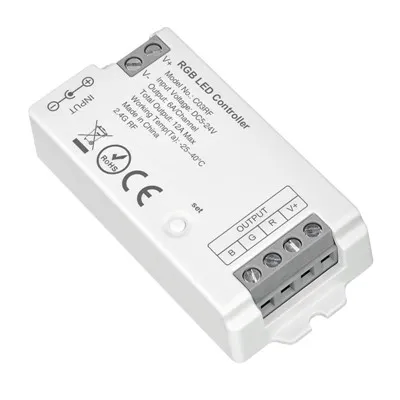
As a supplier of LED drivers, I am committed to providing high – quality products that meet the strict requirements of the automotive industry. Our team of experts is constantly working on research and development to improve the performance and reliability of our LED drivers.
LED Driver If you are an automotive manufacturer or a lighting system integrator looking for reliable LED driver solutions for your automotive lighting applications, I encourage you to contact us for a detailed discussion. We can provide customized solutions based on your specific needs and help you stay ahead in this competitive market.
References
- "Automotive Lighting Technology Handbook", published by an industry – leading research institute
- "LED Driver Design Principles for Harsh Environments", a technical paper from a well – known semiconductor company
- Industry reports on the development trends of automotive lighting and LED driver technology
Dongguan Lanbaoli Intelligent Technology Co., Ltd.
As one of the most professional led driver manufacturers and suppliers in China, we’re featured by quality products and low price. Welcome to buy advanced led driver for sale here from our factory. If you have any enquiry about quotation, please feel free to email us.
Address: 10th Floor, Building 32, Golden Town, No. 7 Technology Avenue, Houjie Town, Dongguan City, Guangdong Province
E-mail: anna@lampow.cn
WebSite: https://www.lblsensor.com/
