In the realm of nocturnal operations, security surveillance, and wildlife observation, night vision goggles stand as a remarkable technological innovation. One question that frequently arises among potential users and enthusiasts alike is, "What is the color of the image in night vision goggles?" As a supplier deeply entrenched in the world of night vision technology, I am excited to delve into this topic and share the science behind the colors we see through these amazing devices. Night Vision Goggles

Understanding the Basics of Night Vision Technology
Before we explore the colors, it’s essential to understand how night vision goggles work. There are two primary types of night vision technology: image intensification and thermal imaging.
Image intensification is the more common type found in consumer and military-grade night vision goggles. These devices work by collecting ambient light, such as moonlight or starlight, and amplifying it to create a visible image. The process begins with a photocathode, which converts photons (particles of light) into electrons. These electrons are then accelerated through a microchannel plate, where they are multiplied millions of times. Finally, the accelerated electrons strike a phosphor screen, which converts them back into visible light.
Thermal imaging, on the other hand, detects the infrared radiation emitted by objects based on their temperature. All objects above absolute zero emit infrared radiation, and thermal cameras use special sensors to detect this radiation and create an image based on the temperature differences between objects in the scene.
The Classic Green Image
When most people think of night vision goggles, they envision a green-hued image. This green color is a characteristic of image intensification technology. The reasons for this are both scientific and practical.
From a scientific perspective, the human eye is most sensitive to green light in the visible spectrum. Our eyes have more rods (light-sensitive cells) that are sensitive to green wavelengths, which allows us to perceive more details and contrasts in green images. This sensitivity to green light also reduces eye strain, making it easier to use night vision goggles for extended periods.
On a practical level, green phosphor screens are more efficient and cost-effective to produce than screens that emit other colors. The manufacturing process for green phosphors has been refined over many years, resulting in reliable and high-quality screens that can provide clear and detailed images in low-light conditions.
Other Color Options
While green is the most common color, modern night vision goggles also offer other color options, such as white and black.
White phosphor night vision goggles have gained popularity in recent years, especially among military and law enforcement users. White images provide a more natural and realistic view of the scene, similar to what the human eye would perceive in daylight. This can make it easier to distinguish between objects and identify details, such as facial features or equipment markings. White phosphor technology also offers better contrast and a wider dynamic range, which can improve visibility in challenging lighting conditions.
Black and white night vision goggles, also known as monochrome goggles, provide a simple and straightforward view of the scene. The absence of color can simplify the image and make it easier to focus on the essential details. Monochrome goggles are often used in applications where color is not a critical factor, such as surveillance or navigation.
Color in Thermal Imaging
Thermal imaging cameras offer a different perspective on color. Instead of representing visible light, the colors in a thermal image represent temperature variations. Typically, warmer objects appear as brighter colors, such as white or yellow, while cooler objects appear as darker colors, such as black or blue.
The color palette used in thermal imaging can be customized to suit the specific application. For example, in some medical applications, a color palette may be chosen to highlight specific temperature ranges associated with certain conditions. In industrial applications, a different color palette may be used to identify hot spots in machinery or electrical systems.
Factors Affecting Image Color
The color of the image in night vision goggles can be affected by several factors, including the quality of the device, the lighting conditions, and the user’s perception.
Higher-quality night vision goggles generally produce more accurate and consistent colors. Cheaper or lower-quality devices may have color variations or distortion, which can affect the clarity and usability of the image. It’s important to choose a reputable supplier and invest in a high-quality device to ensure the best performance.
The lighting conditions can also have a significant impact on the color of the image. In extremely low-light conditions, the image may appear darker and less colorful. Conversely, in brighter conditions, the image may be more saturated and vibrant. Some night vision goggles have adjustable gain controls, which allow the user to adjust the brightness and contrast of the image to compensate for different lighting conditions.
Finally, the user’s perception of color can vary from person to person. Factors such as age, eye health, and individual color sensitivity can all affect how a person perceives the colors in a night vision image. Some people may prefer the traditional green color, while others may find white or black images more appealing or easier to work with.
Choosing the Right Color for Your Needs
When choosing night vision goggles, it’s important to consider your specific needs and application. If you’re a casual user who enjoys wildlife observation or night-time outdoor activities, green phosphor goggles may be the best choice. They offer a balance of affordability, performance, and comfort, and are suitable for most low-light situations.
If you’re a professional user, such as a military or law enforcement officer, or someone who requires high-performance night vision equipment, you may want to consider white phosphor goggles. The more natural and realistic image provided by white phosphor technology can enhance situational awareness and improve decision-making in critical situations.
For applications where color is not a critical factor, such as surveillance or navigation, monochrome goggles may be a cost-effective option. They provide a clear and simple view of the scene, without the distractions of color.
Conclusion
In conclusion, the color of the image in night vision goggles depends on the type of technology used and the specific device. Image intensification goggles typically produce green, white, or black images, while thermal imaging cameras use colors to represent temperature variations. Each color option has its own advantages and disadvantages, and the choice of color depends on the user’s specific needs and preferences.
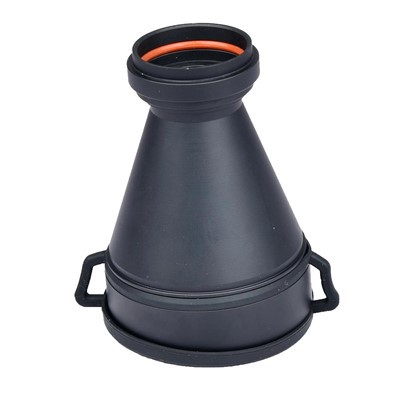
As a supplier of night vision goggles, I am committed to providing high-quality products and expert advice to help you choose the right device for your needs. Whether you’re a professional user or a casual enthusiast, I can offer a wide range of night vision goggles with different color options, features, and price points.
Night Vision Clip-on Systems If you’re interested in learning more about night vision goggles or are considering a purchase, please don’t hesitate to contact me for more information. I would be happy to answer any questions you may have and assist you in finding the perfect night vision solution.
References
- Smith, J. (2020). Night Vision Technology: Principles and Applications. Springer.
- Jones, A. (2019). Understanding Thermal Imaging: A Comprehensive Guide. Wiley.
- Brown, R. (2018). Night Vision Goggles: How They Work and How to Choose the Right One. Outdoor Life.
Shenzhen Detyl Optoelectronics Co., Ltd.
With abundant experience, we are one of the most professional night vision goggles manufacturers and suppliers in China. Please rest assured to buy customized night vision goggles at competitive price from our factory. For pricelist and quotation, contact us now.
Address: 4th Floor, Building 3, Factory, No. 20, Second Industrial Avenue, Tangxiayong Community, Yanluo Street, Bao’an District, Shenzhen
E-mail: sales@detyl.com
WebSite: https://www.detyl.net/
